
How to Stay Safe and Stress-Free While Traveling: 19 Proven Tips
Traveling is one of life’s greatest joys, but it comes with its own set of risks.
Whether you’re exploring a bustling city or venturing into a remote countryside, keeping safety in mind is essential.
From protecting your belongings to ensuring your health, staying aware of potential dangers will help make your journey enjoyable and secure.
Here are 19 travel safety tips that will keep you prepared and protected wherever you go.
1. Research Your Destination

Before setting off, familiarize yourself with the area you’re visiting.
Read up on any travel advisories, safety concerns, or local customs that might affect your trip.
Understanding the political climate, common scams, and areas to avoid will give you a head start in staying safe.
You’ll also want to know where your country’s embassy is, should you need assistance.
Researching the culture can help you avoid offending locals and can even improve your overall experience.
2. Share Your Itinerary with Someone You Trust

It’s always a good idea to let someone back home know where you’ll be.
Share your travel dates, accommodation details, and important contact numbers with a friend or family member.
This ensures someone is keeping track of your whereabouts, especially in case of emergencies.
Regularly updating them with changes to your plans adds an extra layer of security. In an unexpected situation, they can act as a vital point of contact.
3. Purchase Travel Insurance

Travel insurance is a small investment that can save you big trouble.
It protects against unexpected events like medical emergencies, trip cancellations, and lost luggage.
Make sure your insurance covers all the activities you plan to do, especially if you’re participating in high-risk adventures like skiing or scuba diving.
Having a reliable policy gives you peace of mind and keeps you covered in case something goes wrong.
4. Keep Copies of Important Documents

Losing your passport, visa, or ID can turn a dream vacation into a nightmare.
To avoid this, make physical and digital copies of all your essential documents.
Store one set in a separate location from the originals, such as a hotel safe or in your luggage.
Emailing a copy to yourself or saving it in the cloud ensures you can access it anywhere, anytime.
This backup plan can expedite the recovery process if you lose the originals.
5. Be Aware of Your Surroundings

Staying alert is one of the best ways to stay safe while traveling.
Avoid distractions like using your phone while walking in unfamiliar areas.
Take note of the people around you and trust your instincts if something feels off.
In busy places like train stations or markets, be especially cautious of pickpockets.
Maintaining a level of situational awareness can help prevent theft and keep you safer in unfamiliar environments.
6. Don’t Flash Valuables

Wearing flashy jewelry or pulling out expensive gadgets in public can make you a target.
Keep your valuables hidden or leave them at home if possible.
If you need to use electronics like cameras or smartphones, be discreet.
When withdrawing money, do so inside a bank or secure location rather than at outdoor ATMs.
Keeping a low profile minimizes your chances of drawing unwanted attention.
7. Use Hotel Safes for Valuables

If you’re staying in a hotel, take advantage of the safe. Store items like your passport, extra cash, and electronics that you don’t need while exploring.
Ensure the safe is secure and remember the code or key.
If there’s no safe available, invest in portable locks or travel safes that can secure your belongings in your room.
By securing your valuables, you reduce the risk of theft.
8. Blend In With Locals

Standing out as a tourist can make you more vulnerable to scams and theft.
To avoid this, try to dress like the locals and avoid typical tourist behavior.
Research the cultural norms of your destination to avoid attracting unnecessary attention.
Speaking basic phrases in the local language can also help you blend in better.
The more you blend in, the less likely you are to be targeted.
9. Avoid Sharing Too Much on Social Media

While it’s tempting to share every moment of your trip, oversharing can put you at risk.
Posting real-time updates about your location or plans can make it easier for thieves to target you.
Instead, wait until after you’ve left a location to post about it.
Also, be cautious about sharing details like your accommodation or travel dates publicly.
Keeping your social media updates minimal helps ensure your privacy.
10. Stay Sober, Stay Safe

While it’s fun to indulge during vacations, excessive drinking can impair your judgment.
It’s essential to stay in control, especially in an unfamiliar environment.
Alcohol lowers your awareness, making you more susceptible to theft or accidents.
If you plan on drinking, do so in moderation and always keep an eye on your drink.
Staying sober helps you remain alert and aware of your surroundings.
11. Keep Emergency Contacts Handy

Having quick access to local emergency numbers is a simple yet crucial safety measure.
Write down numbers for the police, ambulance services, and your country’s embassy or consulate.
If your phone dies or is lost, having a physical copy of these contacts can be lifesaving.
It’s also smart to store contacts of any local friends or acquaintances who can assist in an emergency.
Being prepared with emergency contacts ensures you’re not caught off-guard.
12. Pack a First-Aid Kit

A well-stocked first-aid kit can come in handy for minor injuries or illnesses.
Include essentials like bandages, antiseptics, pain relievers, and any prescription medications you may need.
If you’re traveling to a remote area, adding water purification tablets and insect repellent is a good idea.
Having a first-aid kit ready ensures that you’re prepared for small medical issues that could disrupt your trip.
13. Trust Your Gut

Your intuition is often the best guide when it comes to safety.
If something doesn’t feel right, don’t hesitate to remove yourself from the situation.
Whether it’s avoiding a person, declining a ride, or choosing a different restaurant, always trust your instincts.
Your comfort and safety are more important than feeling polite or accommodating.
Listening to your gut can help you avoid risky situations.
14. Secure Your Bags with Locks

A simple lock can make a big difference in keeping your belongings safe.
Use padlocks or combination locks on your bags, especially in crowded areas like airports or train stations.
This added layer of protection makes it harder for thieves to access your valuables.
Consider using anti-theft backpacks that come with built-in security features.
Locks help deter opportunistic theft and keep your items more secure.
15. Stay in Well-Lit, Populated Areas
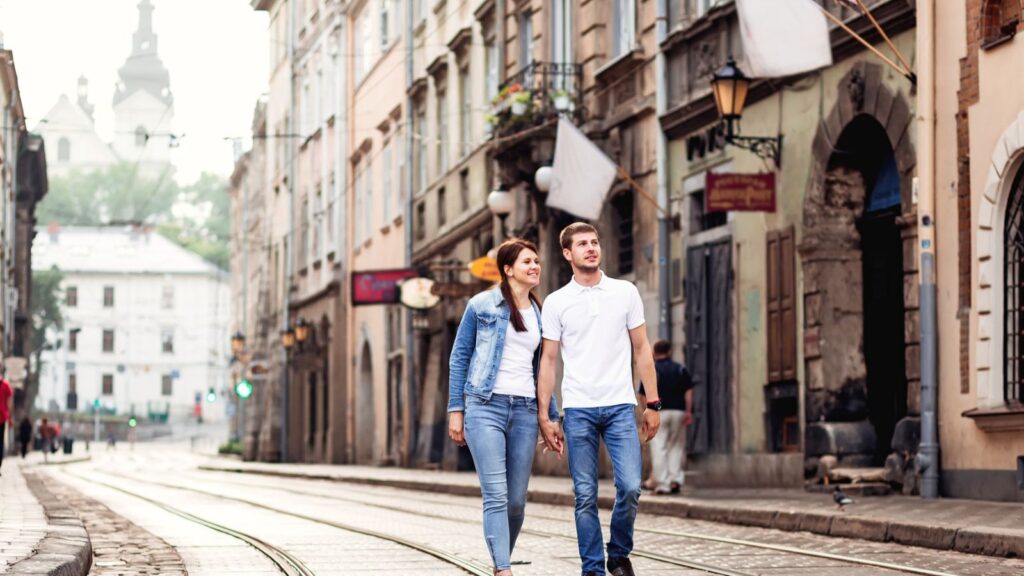
When exploring new places, stick to areas that are well-lit and have plenty of people around.
Avoid venturing down dark alleys or isolated streets, especially at night.
If you’re unsure about a neighborhood, ask locals or your accommodation staff for advice on where to go and where to avoid.
Well-populated areas reduce your chances of encountering dangerous situations.
16. Know Basic Self-Defense

While we hope you never have to use it, knowing basic self-defense can be invaluable.
Taking a short course before your trip can give you confidence and prepare you for potential threats.
Learn simple techniques like how to break free from holds or how to strike in vulnerable areas.
Being equipped with these skills can make you feel safer and more empowered during your travels.
17. Use Reputable Transportation

Always opt for trustworthy transportation options, whether you’re using taxis, ride-sharing apps, or public transit.
Avoid unlicensed vehicles and ensure the driver matches the app profile if using ride-sharing services.
If you’re in an unfamiliar area, ask locals or your hotel for the safest transportation methods.
Choosing reputable transportation can prevent potential scams and unsafe situations.
18. Keep a Low Profile with Your Money

Carrying large amounts of cash can make you a target for theft.
Only take out as much money as you need for the day, and keep the rest secured in your hotel or safe.
Use a money belt or hidden pouch to keep your cash and cards out of sight.
Minimizing the cash you carry and hiding it effectively reduces the chance of theft.
19. Stay Updated on Local News

Staying informed about what’s happening in the region you’re visiting can help you avoid potential risks.
Follow local news sources or alerts for information about weather events, political protests, or any other developments that might affect your safety.
Being aware of your surroundings and staying up to date on news helps you adapt to changing circumstances and avoid trouble.


