
16 Stunning Villages in Mexico’s Yucatán Peninsula with Rich Mayan Traditions and Culture
The Yucatán Peninsula is a vibrant region of Mexico, where the echoes of the ancient Maya civilization still shape daily life. From bustling colonial cities to remote rural villages, the colors of the Yucatán are as vivid as its history.
These 16 villages, each brimming with cultural significance and painted in a palette of bright hues, offer a journey through time, where Mayan heritage is celebrated in every corner. Whether you’re strolling through charming streets or exploring archaeological wonders, these villages offer an unforgettable glimpse into a rich cultural legacy.
Izamal

Known as the “Yellow City,” Izamal is a picturesque town where nearly every building is painted a vibrant shade of yellow. This colonial gem is built atop an ancient Mayan city and is home to one of the largest pyramids in the Yucatán.
The blend of colonial architecture and ancient Mayan ruins makes Izamal a must-see for history lovers and art enthusiasts alike.
Valladolid

Vibrant, charming, and rich in history, Valladolid stands out with its colorful buildings and cobblestone streets. The town is a perfect mix of Mayan heritage and colonial influences, with the beautiful Cenote Zací located in the heart of the village.
Visitors can explore nearby ruins, enjoy delicious local cuisine, or simply stroll through the town’s colorful squares.
Like The Modern Day Adventurer’s content? Follow us on MSN.
Mérida

Mérida, the capital of the Yucatán, is known for its grand colonial buildings and colorful streets. The city’s architecture is a beautiful fusion of Spanish and Mayan influences.
Mérida is also a cultural hub, home to museums, vibrant markets, and traditional festivals that celebrate the rich Mayan and Mexican cultures. Its lively atmosphere makes it a perfect blend of ancient and modern.
Ek Balam

This small village, named after the nearby Mayan ruins of Ek Balam, is a peaceful spot filled with history and color. Ek Balam means “Black Jaguar” in Maya, and its ruins are among the best-preserved in the Yucatán.
The village itself is small, but the surrounding lush jungle and ancient sites offer a fascinating glimpse into the past.
Cuzamá

Famous for its cenotes, Cuzamá is a beautiful village known for its unique way of accessing the freshwater sinkholes—by horse-drawn rail carts! The village is painted in bright colors, and the surrounding natural beauty is simply stunning.
Cuzamá is a peaceful escape from the more tourist-heavy areas of the Yucatán, making it a perfect spot for a serene adventure.
Like The Modern Day Adventurer’s content? Follow us on MSN.
Tizimín

Tizimín is an agricultural town known for its colorful architecture and significant Mayan heritage. The village is a great place to experience traditional Yucatán life. It’s home to one of the most important churches in the region, dedicated to the Virgin of the Candelaria, and is also close to the ruins of Ek Balam and Chichen Itza.
Rio Lagartos

A picturesque coastal village, Rio Lagartos is known for its bright-colored houses and stunning natural surroundings. It’s also famous for its wildlife, especially the flamingo population that visits the region.
Rio Lagartos sits on the edge of a natural reserve, offering visitors an opportunity to experience the Yucatán’s wildlife and Mayan heritage in one place.
San Felipe

Located on the northern coast of the Yucatán Peninsula, San Felipe is a charming village with colorful streets, a laid-back atmosphere, and a history that stretches back to the ancient Maya.
The town’s peaceful vibes are complemented by stunning views of the Gulf of Mexico and the nearby coastal wildlife reserves, offering an ideal place for relaxation and exploration.
Like The Modern Day Adventurer’s content? Follow us on MSN.
Piste

The small village of Piste serves as the gateway to the famous Chichen Itza ruins. It’s a vibrant place where Mayan history is ever-present. The town itself is full of life and colorful buildings, offering a refreshing atmosphere after exploring the ancient archaeological site nearby.
Visitors can immerse themselves in the local culture and experience traditional Mayan cuisine.
Akil
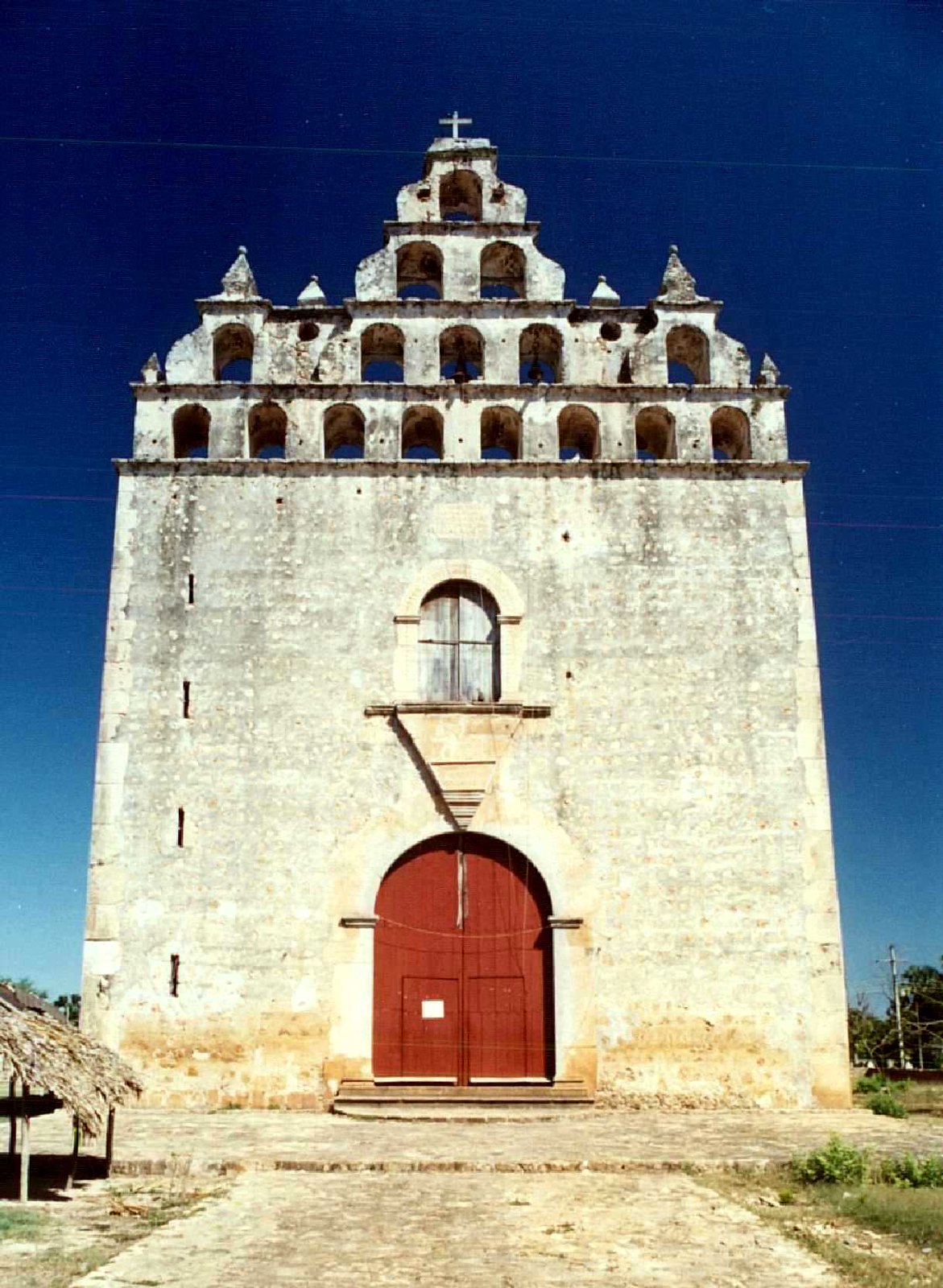
Akil is a small but vibrant village known for its beautiful pastel-colored buildings and proximity to ancient Mayan sites. Its colorful streets and friendly locals create a welcoming atmosphere.
Akil offers a more authentic Yucatán experience, where visitors can explore ancient cenotes, take part in local traditions, and enjoy the peaceful surroundings of rural Mexico.
Santa Elena

Santa Elena is a small, quiet village that offers a deep connection to the Mayan past. With colorful homes and a relaxed atmosphere, this village is the perfect destination for anyone seeking a peaceful retreat in the Yucatán.
The nearby cenote and archaeological sites add to the charm, making it an ideal destination for those interested in history and nature.
Like The Modern Day Adventurer’s content? Follow us on MSN.
Cacalchen

Cacalchen is a village that celebrates the rural charm of the Yucatán, with vibrant homes and traditional Mayan customs. This small community is known for its agricultural roots and its proximity to the ancient Mayan site of Oxkintok.
The village is an off-the-beaten-path destination where visitors can explore Mayan ruins, lush jungles, and quiet streets lined with colorful houses.
Baca

Baca is a small, peaceful village known for its stunning colonial architecture and bright homes. The village is rich in agricultural heritage and is an excellent place to experience rural life in the Yucatán.
Baca is also close to the archaeological site of Uxmal, one of the most important Mayan ruins in the region, offering a combination of history, culture, and natural beauty.
Temozón

Temozón is a hidden gem with colorful houses and a friendly, welcoming community. This village is off the beaten path but offers an authentic look at the Yucatán’s rural life.
The surrounding area is full of lush nature, and nearby cenotes make it an excellent spot for nature lovers. Temozón’s traditional charm and proximity to other cultural sites make it a great addition to any Yucatán itinerary.
Like The Modern Day Adventurer’s content? Follow us on MSN.
Maní

Maní is a small village that plays a crucial role in the Yucatán’s colonial and Mayan history. The village’s colorful streets are lined with beautiful colonial buildings, and the town itself is famous for the Convento de San Antonio de Padua, a site steeped in both religious and Mayan history.
The surrounding landscapes are equally stunning, with fields of corn and stunning cenotes.
Chocholá

Chocholá is a charming village known for its vibrant colors and rich Mayan history. The village is close to the famous cenote of Chocholá, a beautiful natural sinkhole surrounded by lush vegetation.
The town offers a quiet atmosphere and provides a fantastic opportunity to immerse yourself in the traditions of the Yucatán, with a particular focus on local agriculture and community life.
More from The Modern Day Adventurer

- 20 U.S. Universities Famous for Their Legendary Party Culture
- Avoid These 16 Areas in Mexico for Your Own Safety
- 20 Safest Cities Around the World Where You Can Stroll Without Worry
- These 16 Golf Courses Are Hidden Gems That Every Golfer Should Visit
- Think Twice About Visiting These 15 Caribbean Islands With Travel Alerts
Like The Modern Day Adventurer’s content? Follow us on MSN.


