
Explore Nevada’s Abandoned Desert Ghost Towns Still Open to Adventurers
Nevada’s desert holds hidden stories in the form of ghost towns—quiet, abandoned spaces that were once thriving hubs during the mining booms of the 19th and 20th centuries. Today, these deserted locations remain scattered across the state, each telling tales of hope, struggle, and prosperity turned to dust.
Many are still accessible to explorers, letting you step into a different time and wander through relics of a lost era. Let’s journey through 14 of these hauntingly beautiful ghost towns where history still whispers from crumbling facades.
Rhyolite
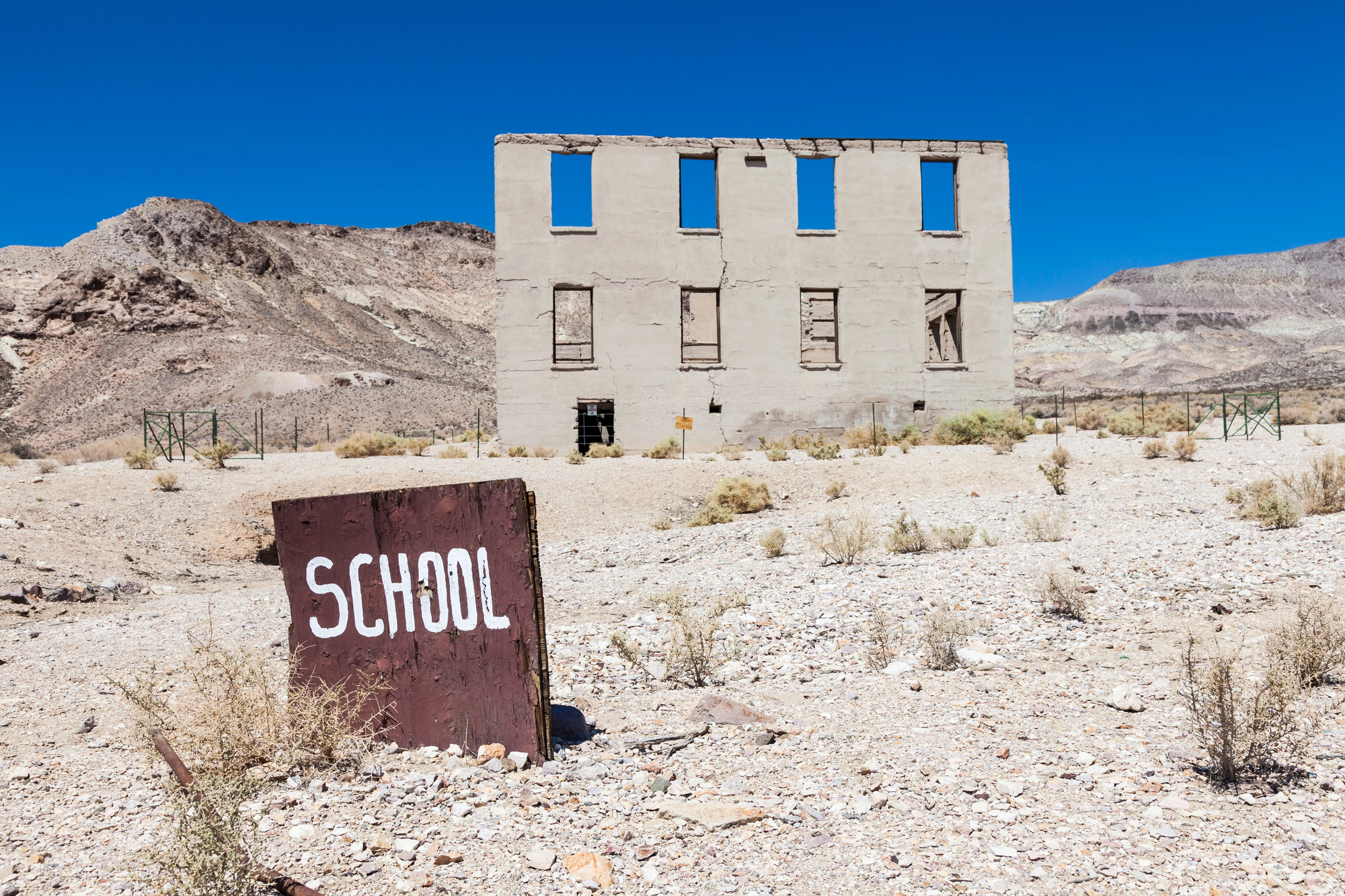
In the early 1900s, Rhyolite was a bustling mining town, drawing people from across the country to its prosperous gold mines. Once home to hotels, a train station, and even an opera house, it quickly grew and faded.
Today, visitors can see remnants of the past, like the iconic bottle house and the crumbling banks that give a sense of Rhyolite’s grand ambitions and ultimate downfall.
Goldfield
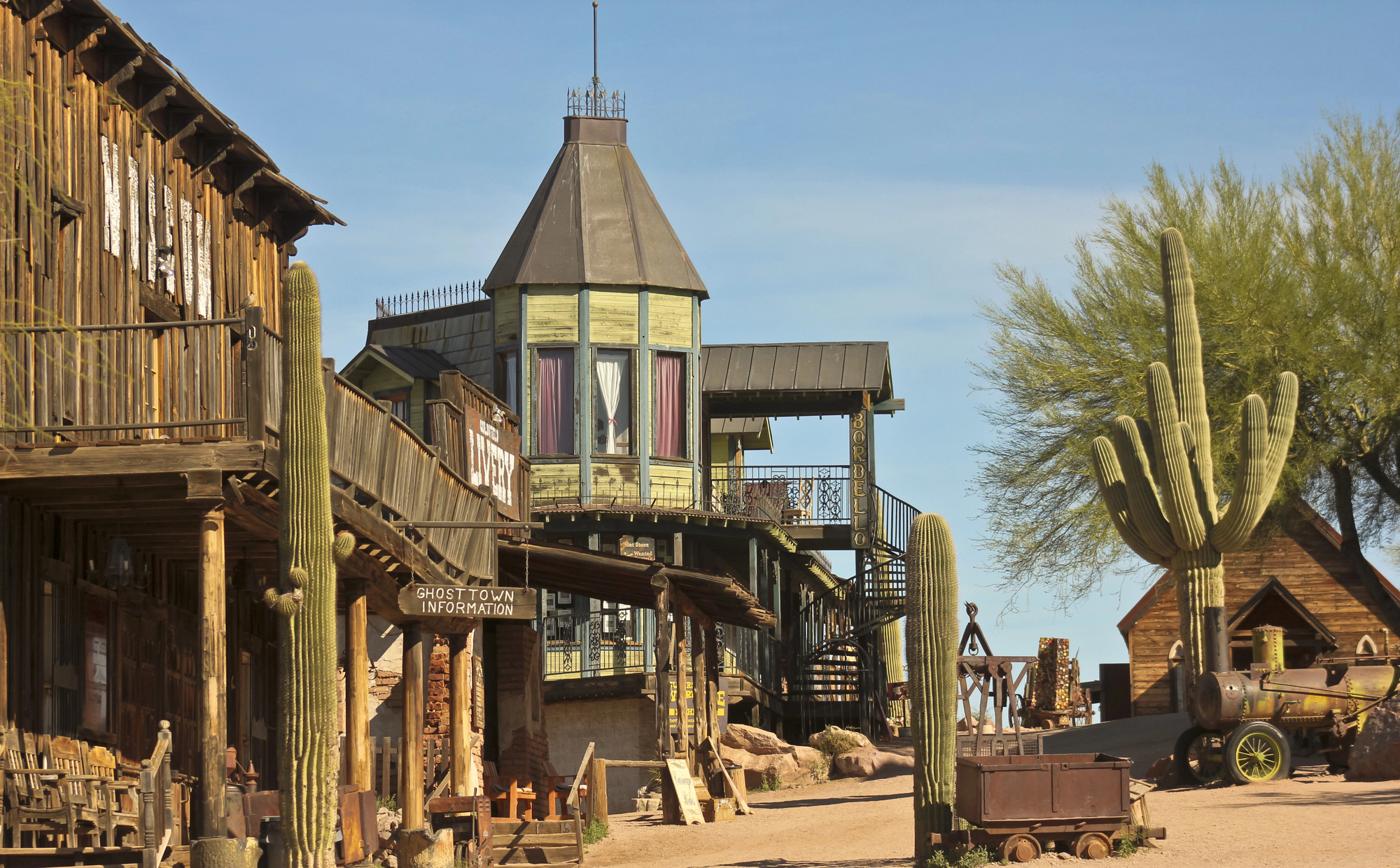
Once the largest city in Nevada, Goldfield boomed in the early 1900s, thanks to a gold discovery that made the town’s mines some of the richest in the state. While it’s now a shadow of its former self, you can still find stately buildings, like the Goldfield Hotel, a reputedly haunted structure that offers a haunting glimpse into the town’s golden era.
Like The Modern Day Adventurer’s content? Follow us on MSN.
Belmont
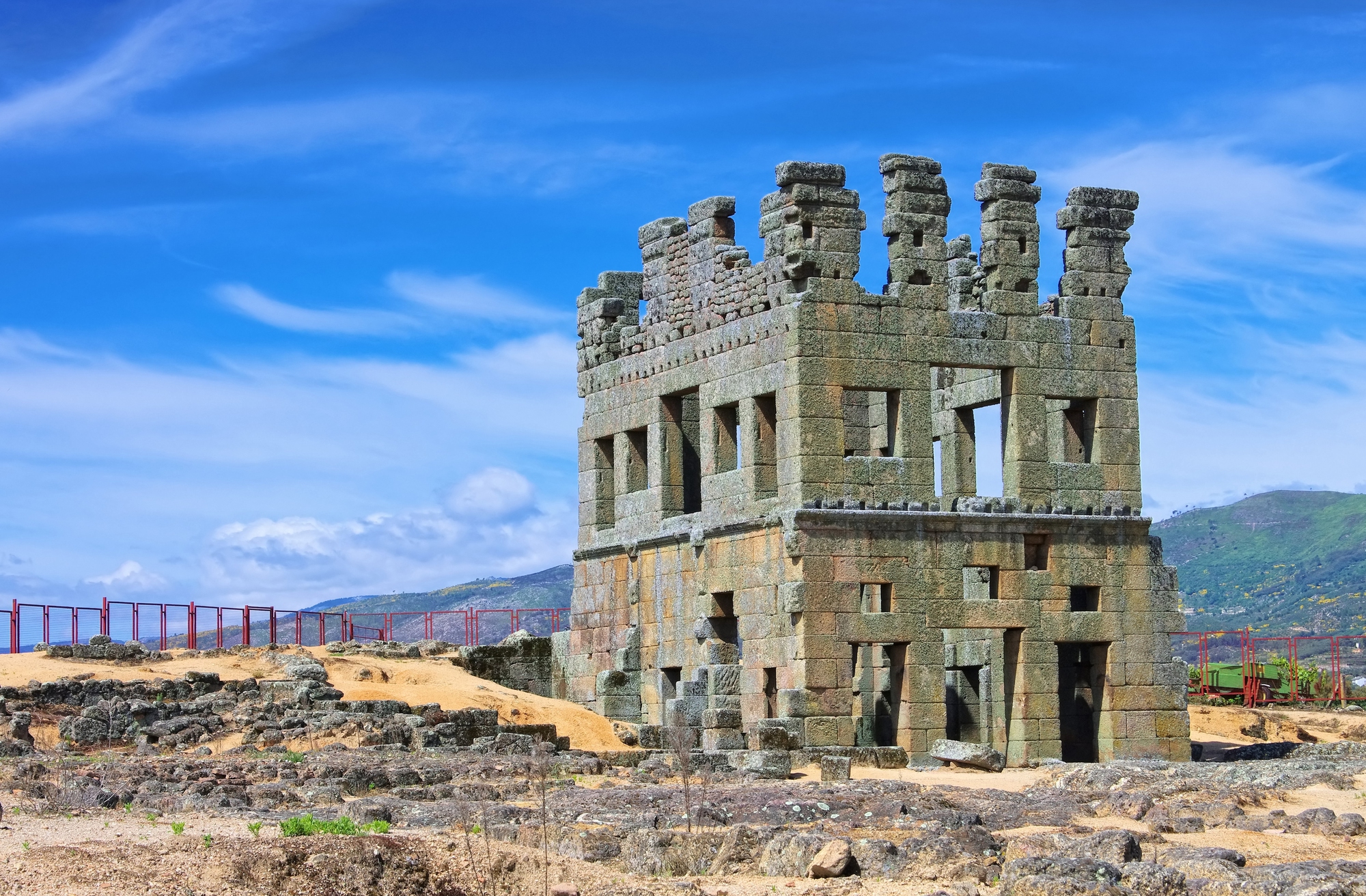
Nestled high in the mountains, Belmont had its heyday during the silver mining boom of the 1860s. Today, the ruins of stone buildings, a jail, and an impressive courthouse remain as reminders of the town’s lively past.
The quiet solitude and desert views around Belmont make it a perfect place for those seeking history with a side of scenic beauty.
Pioche
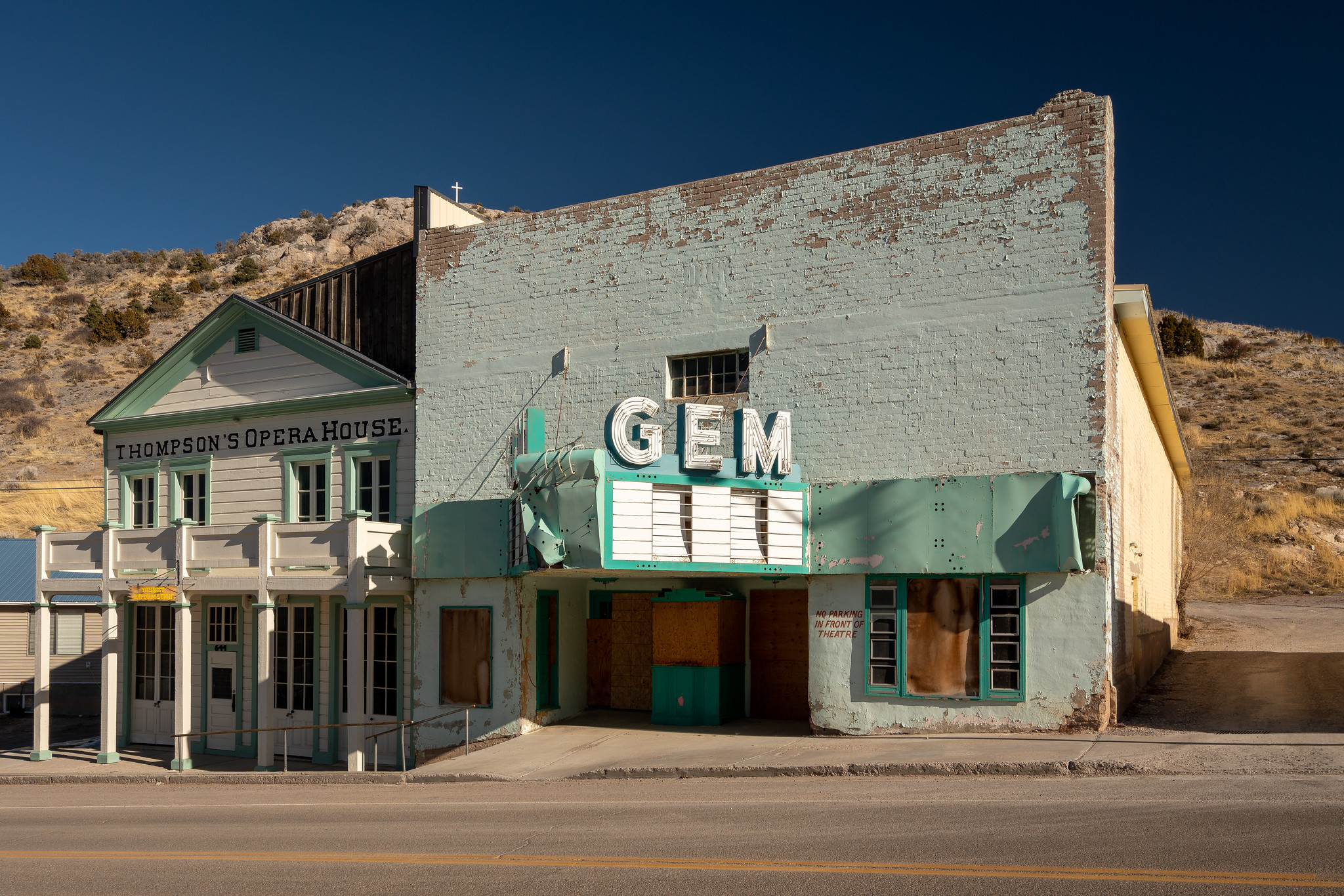
Known for its wild and lawless past, Pioche was one of Nevada’s roughest mining towns. At one point, more people died from violence than natural causes here.
Some buildings and relics still stand, including the historic Pioche Overlook and old mining equipment, giving visitors a glimpse into its colorful, rugged history.
Caliente
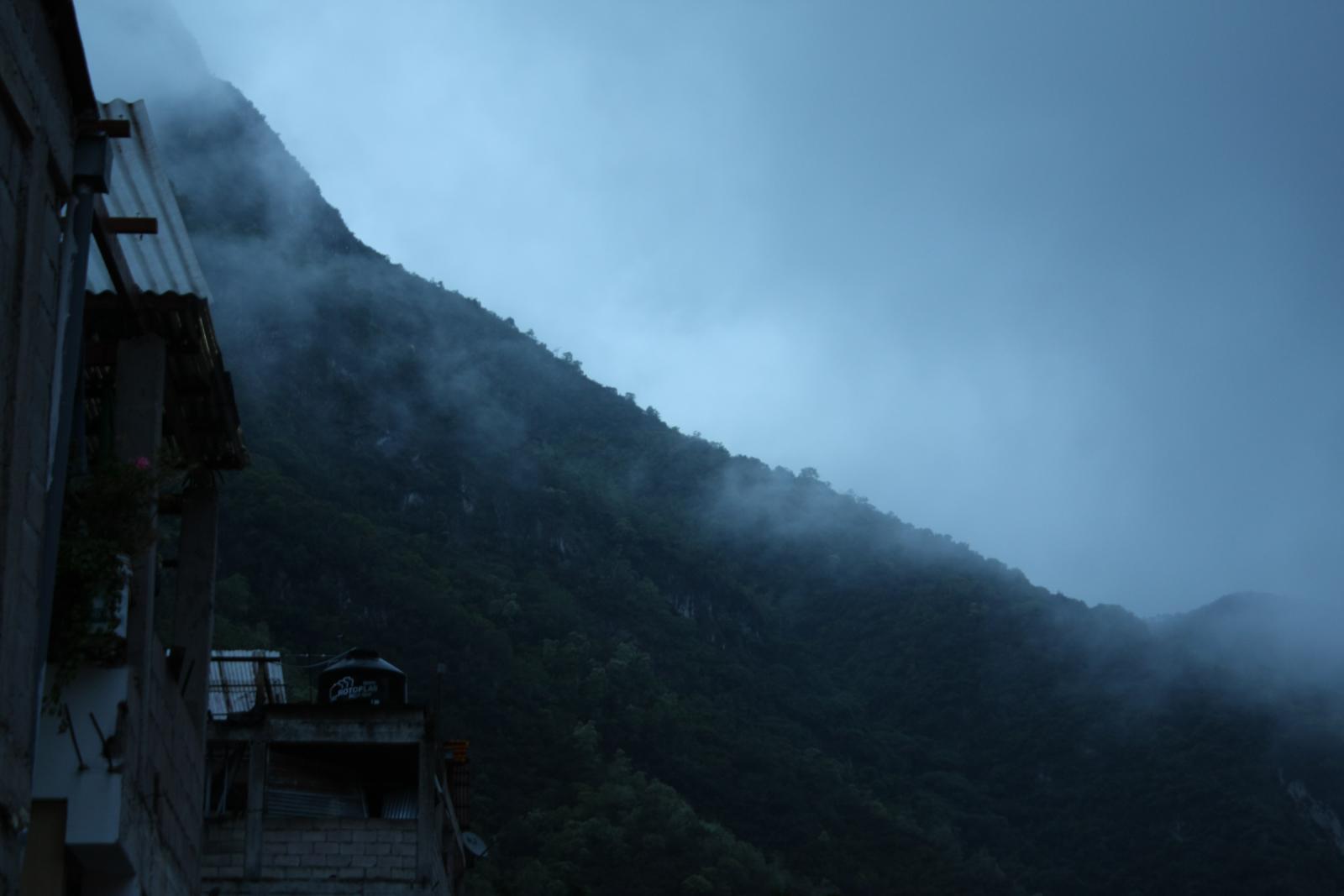
Founded as a railroad town, Caliente grew rapidly when nearby mines brought prosperity to the area. Although it’s not a true ghost town, it has a small, quaint atmosphere with many historical buildings, like the Mission Revival-style Caliente Railroad Depot, still intact.
Visitors can explore these historic buildings and imagine life during the town’s peak.
Like The Modern Day Adventurer’s content? Follow us on MSN.
Berlin

Unlike many ghost towns, Berlin remains a protected historic park, with original buildings preserved for public education. Founded during the silver boom of the 1890s, Berlin is now famous for its fossilized ichthyosaur remains, adding an intriguing prehistoric twist to its mining heritage.
Candelaria

This remote ghost town sits isolated in the Nevada desert, where only a few foundations remain of what was once a prosperous silver mining town. The eerie silence and desolate landscape around Candelaria make it a memorable visit for those looking for solitude and a true desert ghost town experience.
Metropolis

A unique Nevada ghost town, Metropolis was built on the dream of a thriving agricultural center. The lack of water doomed the project, but you can still see remnants of the school and old hotel.
It’s a haunting reminder of how quickly ambition can turn to failure in the harsh desert landscape.
Like The Modern Day Adventurer’s content? Follow us on MSN.
Hamilton

Founded in 1867, Hamilton was once a bustling silver town. A series of devastating fires and dwindling silver reserves led to its decline, leaving behind only the crumbling remains of buildings.
Visitors who venture to Hamilton will find remnants of stone buildings and mining relics scattered across the landscape.
Cherry Creek
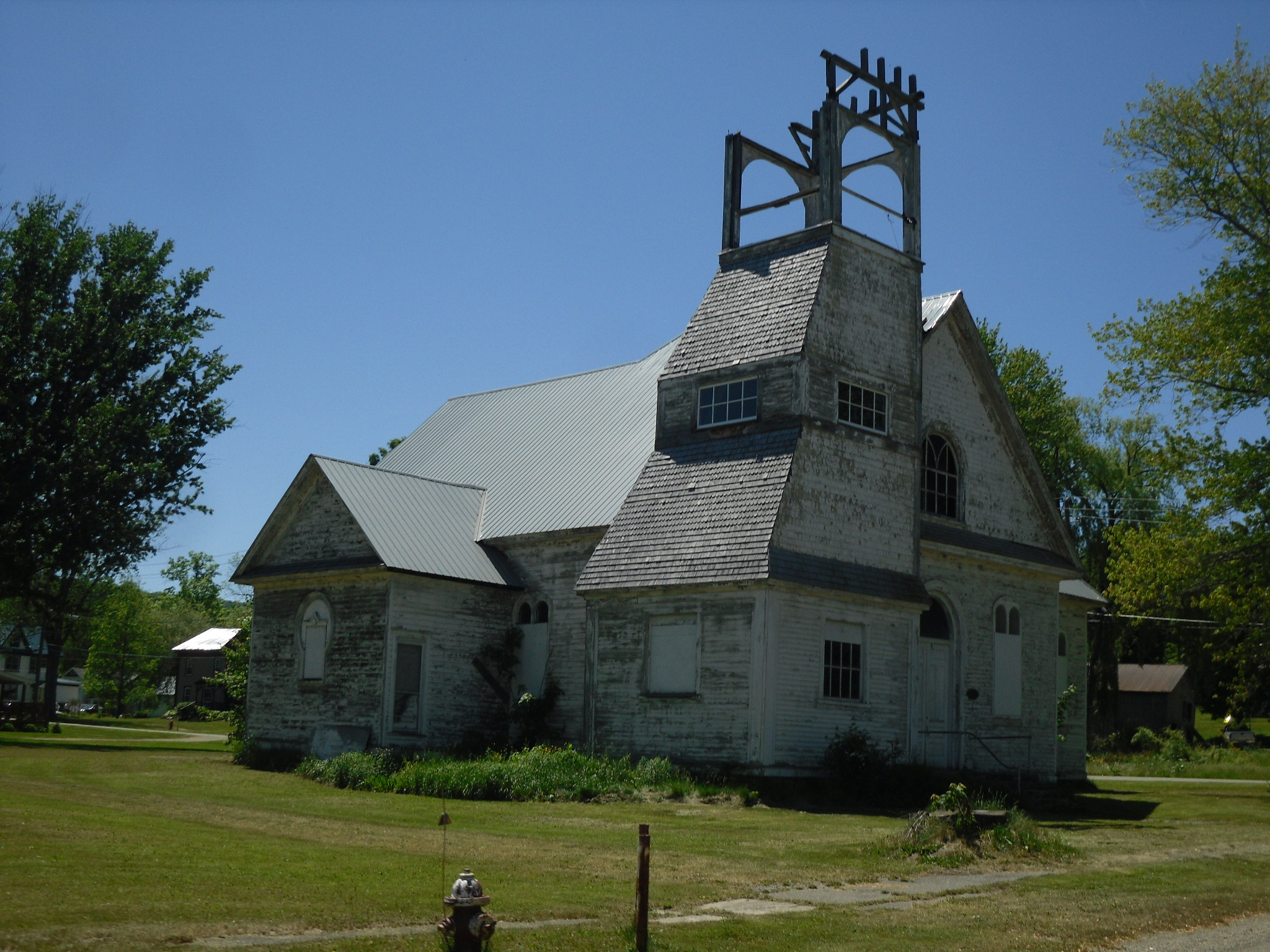
Once a vibrant mining town, Cherry Creek holds stories of gold, prosperity, and a population that reached over 600. Today, several original buildings remain, including old homes and a stone jail, giving a unique glimpse into the past life of a Nevada mining community.
St. Thomas

Once a thriving Mormon farming town, St. Thomas was submerged underwater after the creation of the Hoover Dam. Re-emerging in recent years as the waters of Lake Mead receded, this ghost town now shows ruins that are eerie reminders of a town lost and found again.
Like The Modern Day Adventurer’s content? Follow us on MSN.
Tuscarora
Tuscarora is one of Nevada’s lesser-known but well-preserved ghost towns. Founded in the 1860s, it was a prosperous mining camp known for silver.
Today, you can visit old homes and a general store, where signs of life linger in the town’s remaining structures, a quiet homage to its mining history.
Palmetto
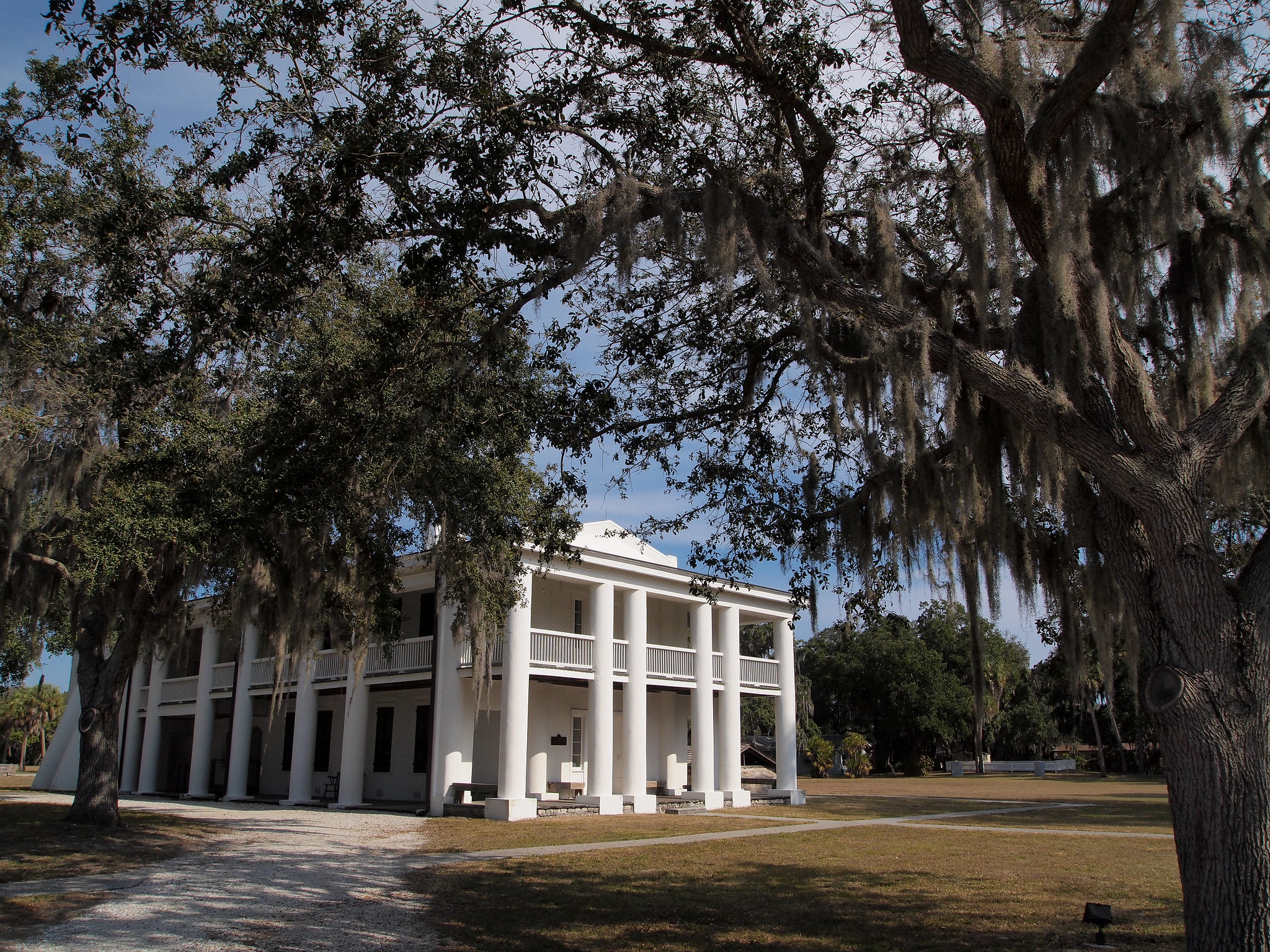
A short-lived silver mining town, Palmetto had a brief boom but was quickly abandoned once the mines failed. Only a few walls and scattered ruins remain, standing alone in the desolate desert as symbols of optimism that quickly turned to disappointment.
Unionville
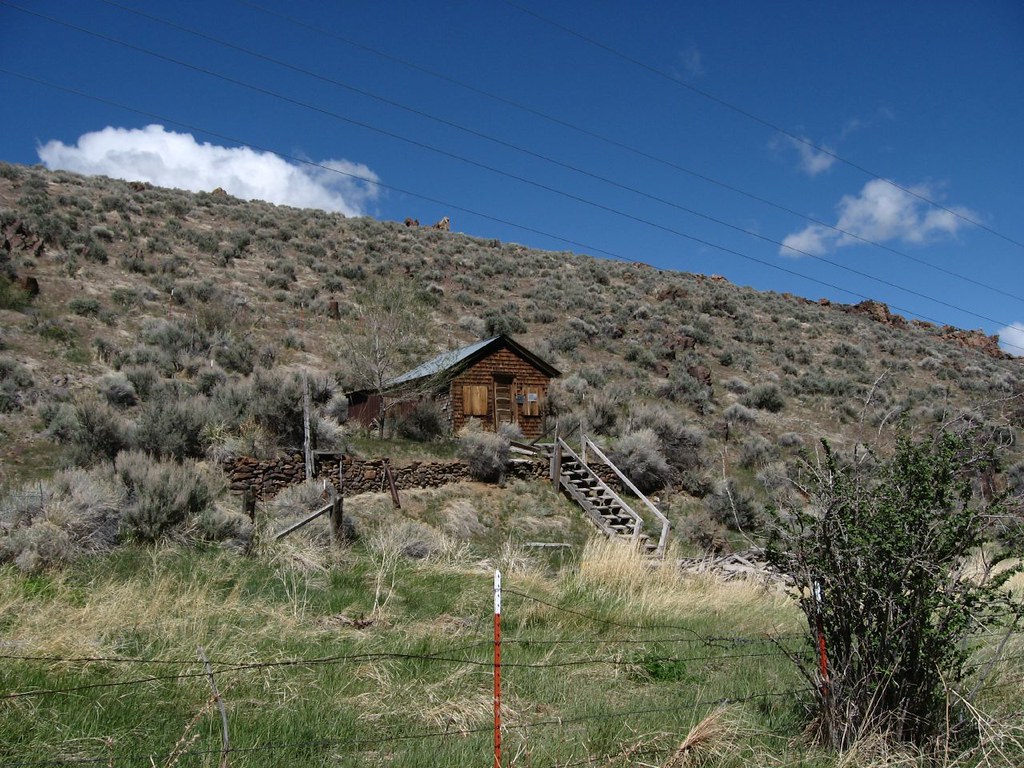
Once home to Mark Twain, Unionville has a unique history as a silver mining town. A few original buildings, including an old schoolhouse, still stand, giving it a charming, rustic feel.
Wandering Unionville, visitors can sense the blend of literary history and pioneer spirit that made this ghost town unique.
More from The Modern Day Adventurer

- 14 Safe Havens in the U.S. to Weather Any Crisis or Societal Collapse
- Avoid These 16 Areas in Mexico for Your Own Safety
- 20 U.S. Universities Famous for Their Legendary Party Culture
- 17 Countries Where English Speaking Retirees Can Find Luxury Living at a Fraction of the Cost
- Think Twice About Visiting These 15 Caribbean Islands With Travel Alerts
Like The Modern Day Adventurer’s content? Follow us on MSN.


