
18 Tips to Stay Healthy When Traveling Through the Most Remote Destinations
Traveling to remote destinations can be an exciting adventure, but it comes with its own set of health challenges. From unfamiliar foods to limited access to medical facilities, staying healthy in the wilderness requires extra preparation.
Whether you’re trekking through jungles or exploring secluded mountain ranges, these tips will help you stay fit, avoid illness, and make the most of your remote journey.
Hydrate Properly

Water is your best friend, especially when you’re in a remote area. Always carry enough clean water, and avoid drinking from questionable sources.
Consider packing a portable water filter to ensure you have access to safe drinking water wherever you are. Dehydration can sneak up on you, so sip water regularly to stay energized and avoid fatigue.
Pack a First-Aid Kit
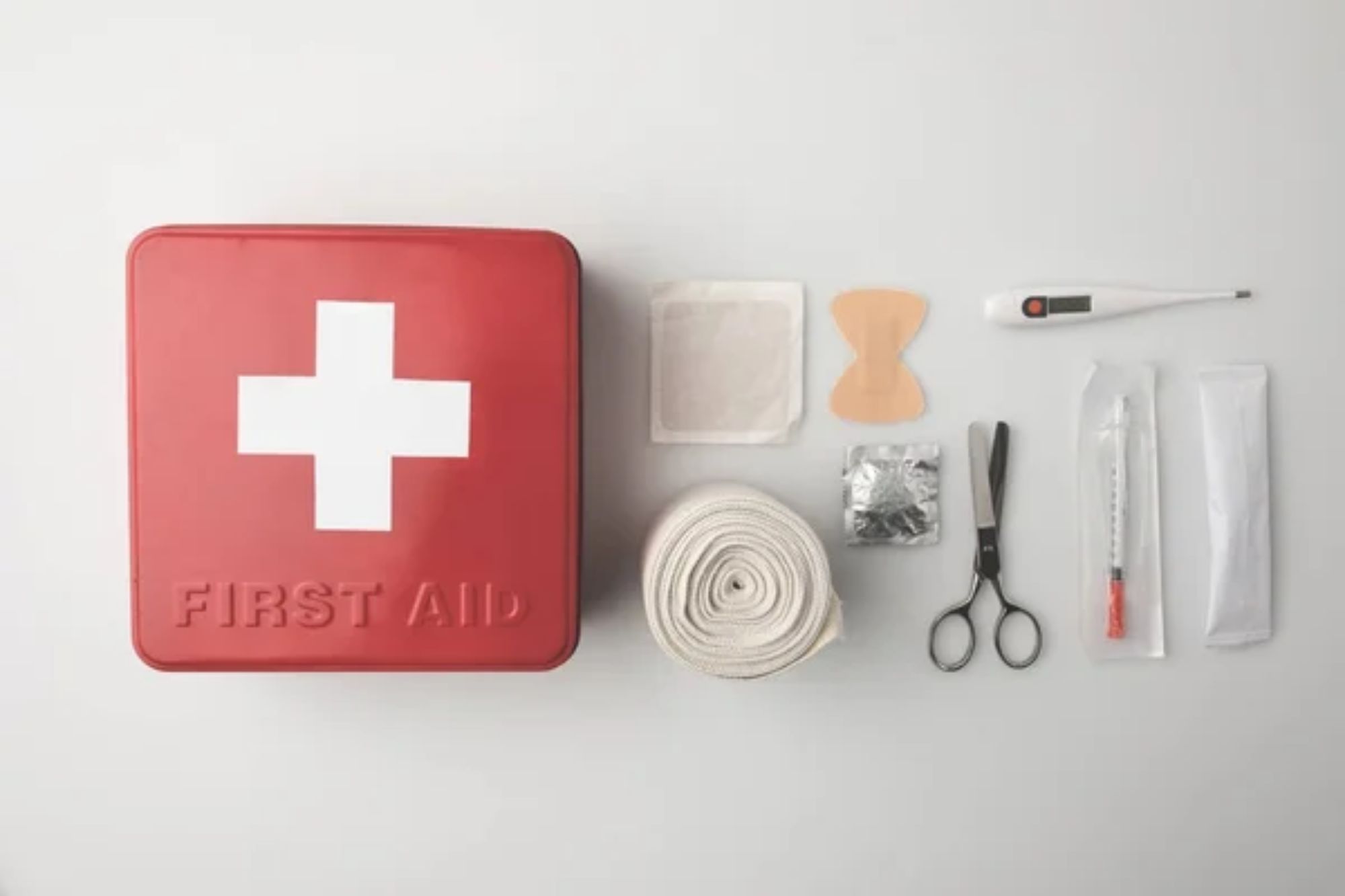
Even in remote areas, accidents happen. Make sure your first-aid kit includes essentials like bandages, antiseptics, pain relievers, and any personal medications.
This kit will come in handy for treating minor injuries or illnesses before you can reach a medical facility. Add items like tweezers for splinters and a thermometer to keep track of your health.
Protect Yourself from Insects

In many remote destinations, insects like mosquitoes carry diseases. Be sure to pack insect repellent and wear long sleeves and pants, especially during dawn and dusk when bugs are most active.
Consider using a mosquito net while sleeping to protect yourself from bites and potential illness, particularly in tropical areas.
Like The Modern Day Adventurer’s content? Follow us on MSN.
Follow Safe Food Practices

Food in remote areas might be different, and sometimes unsafe. Stick to well-cooked meals and avoid raw fruits or vegetables unless you can peel them yourself.
Always wash your hands before eating. Carry snacks that don’t require refrigeration, like nuts and energy bars, to avoid potential stomach issues from unfamiliar foods.
Use Sunscreen
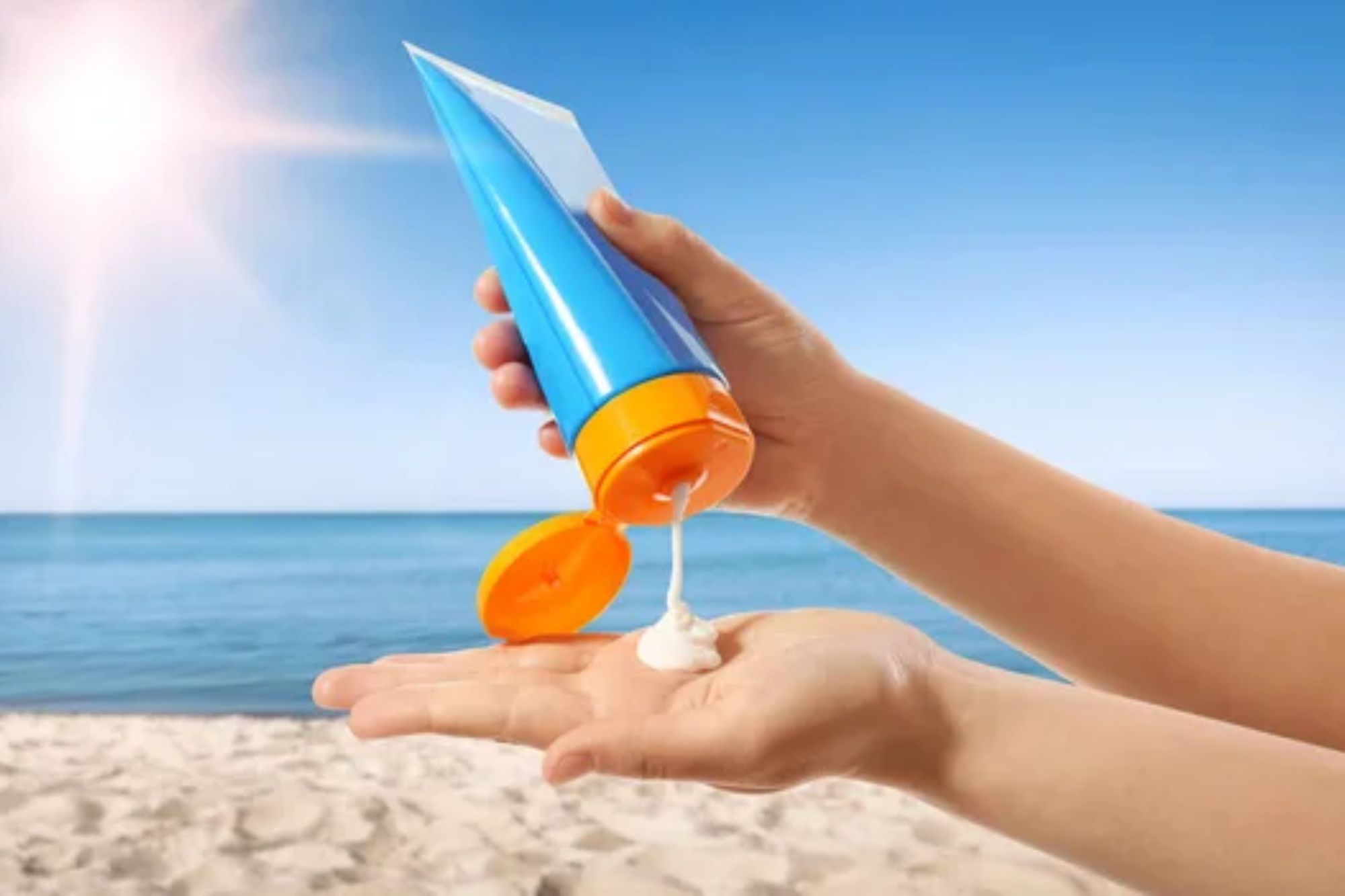
Don’t underestimate the sun’s power, especially at higher altitudes or near the equator. Apply a high-SPF sunscreen to protect your skin from harmful UV rays, and reapply every two hours or after swimming.
Wearing a wide-brimmed hat and sunglasses also shields your skin and eyes from the sun.
Stay Active

Even in remote locations, it’s important to keep moving. While traveling, incorporate simple stretches or light exercises to keep your blood circulating and avoid stiffness.
Physical activity can also help boost your immune system and improve circulation, keeping you feeling healthy and energized.
Like The Modern Day Adventurer’s content? Follow us on MSN.
Prioritize Sleep

Getting enough rest is crucial for your health, especially when you’re in unfamiliar environments. Make sure you have a comfortable sleeping setup, whether it’s a tent or a remote guesthouse.
Try to establish a sleep routine and avoid overexertion, as exhaustion can make you more susceptible to illnesses.
Protect Your Hands
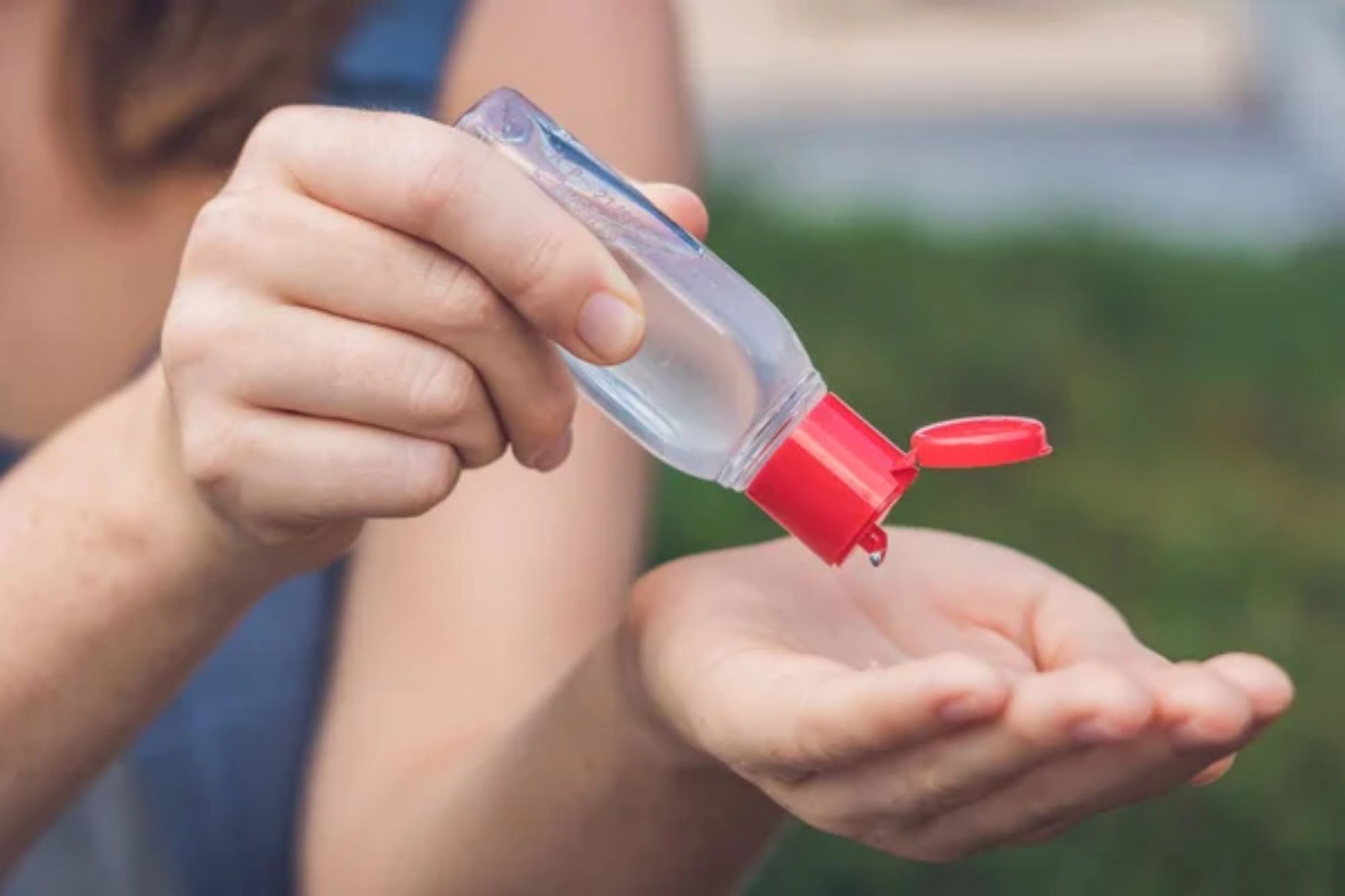
In places where handwashing facilities are scarce, carry a hand sanitizer with at least 60% alcohol. Regularly sanitizing your hands will help reduce the spread of germs.
Avoid touching your face, especially your eyes, nose, and mouth, to prevent contamination, particularly in places with limited hygiene resources.
Prepare for Altitude Sickness

If you’re heading to high altitudes, prepare for potential altitude sickness. Symptoms can include dizziness, headache, and shortness of breath.
Take it easy during the first few days to acclimate, drink plenty of fluids, and avoid alcohol. If symptoms worsen, descend to a lower altitude immediately.
Like The Modern Day Adventurer’s content? Follow us on MSN.
Stay Cool in Extreme Heat
Remote destinations often come with extreme weather, so it’s vital to avoid heat-related illnesses like heatstroke. Dress in light, breathable clothing, and take breaks in shaded areas.
Drink water consistently and wear a hat to keep your body temperature down. Avoid strenuous activity during the hottest parts of the day.
Avoid Overpacking

Packing light can be a lifesaver in remote destinations. Overpacking not only adds unnecessary weight but can also increase the risk of exhaustion or injury.
Pack only what’s essential, focusing on versatile clothing and gear that can be used for multiple purposes. A well-packed bag makes it easier to navigate tough terrain while keeping your body healthy.
Prepare for Potential Medical Emergencies

Know where the nearest hospital or clinic is, even in remote regions. Carry a list of important emergency contacts and ensure you have access to travel insurance that covers medical emergencies.
If you’re venturing into a particularly isolated area, consider taking a first-aid or survival course before your trip.
Like The Modern Day Adventurer’s content? Follow us on MSN.
Watch Your Mental Health

Isolation can impact your mental health, so it’s important to stay connected, even in remote places. Bring along familiar items like books or music that help keep you grounded. Practice mindfulness or meditation to cope with any stress or anxiety.
Remember that your mental well-being is just as important as your physical health.
Stay on Marked Trails
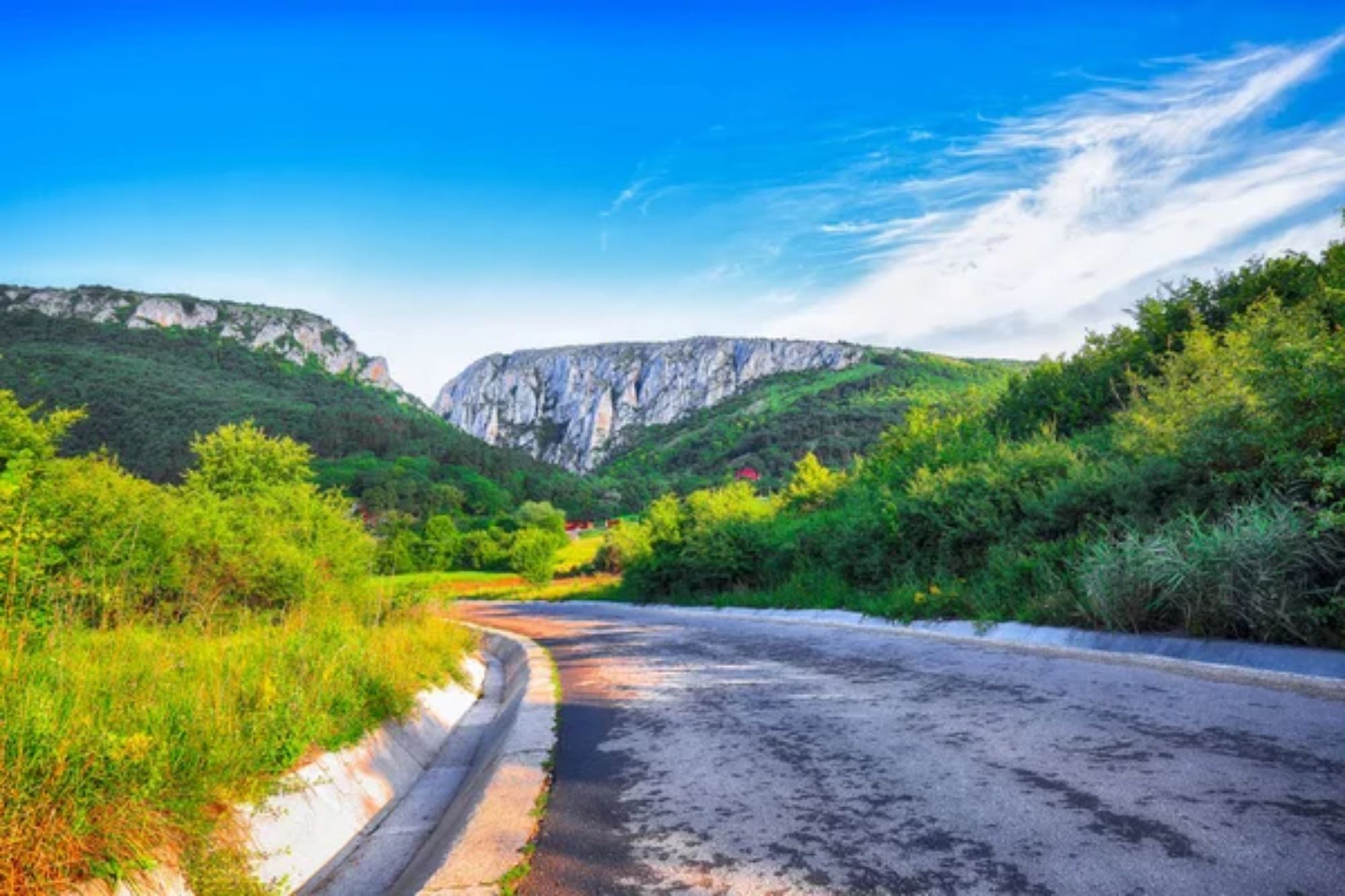
Exploring remote destinations can be exhilarating, but straying off the beaten path can be dangerous. Stick to marked trails or well-established routes, and always carry a map or GPS device.
Avoid wandering into unfamiliar areas where you may get lost or put yourself at risk of an accident.
Bring a Personal Water Filter
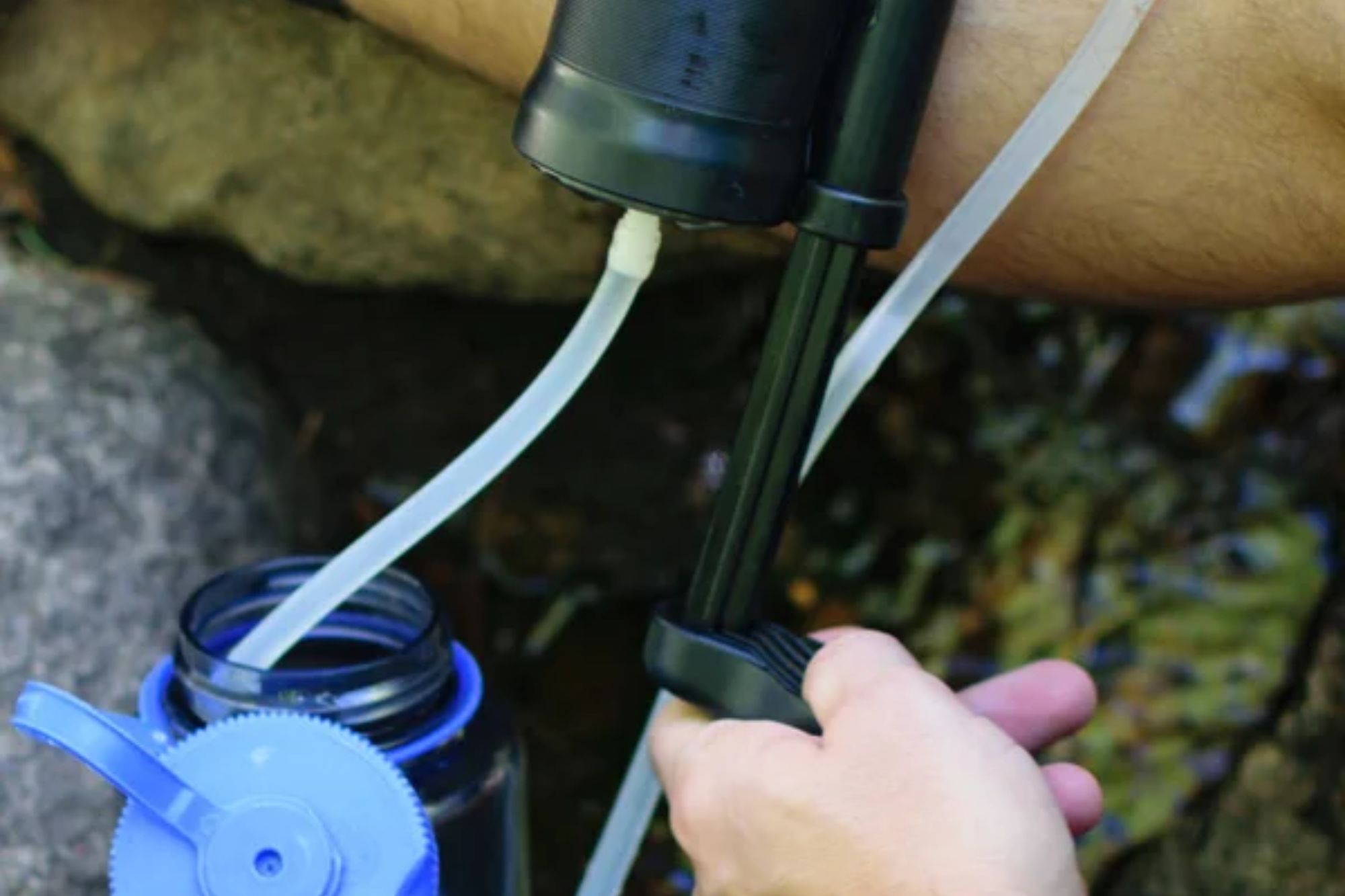
In areas where clean water sources are scarce, bring a portable water filter or purification tablets. These will allow you to turn any water source into a safe drinking supply, reducing the risk of waterborne diseases.
Water filters are lightweight and compact, making them easy to carry without adding bulk to your gear.
Like The Modern Day Adventurer’s content? Follow us on MSN.
Know Your Vaccinations

Before heading to remote areas, ensure that your vaccinations are up to date. Depending on your destination, you may need to get specific shots for diseases that are prevalent in certain regions.
Consult with a travel health professional well in advance to make sure you’re fully prepared.
Be Mindful of Wildlife
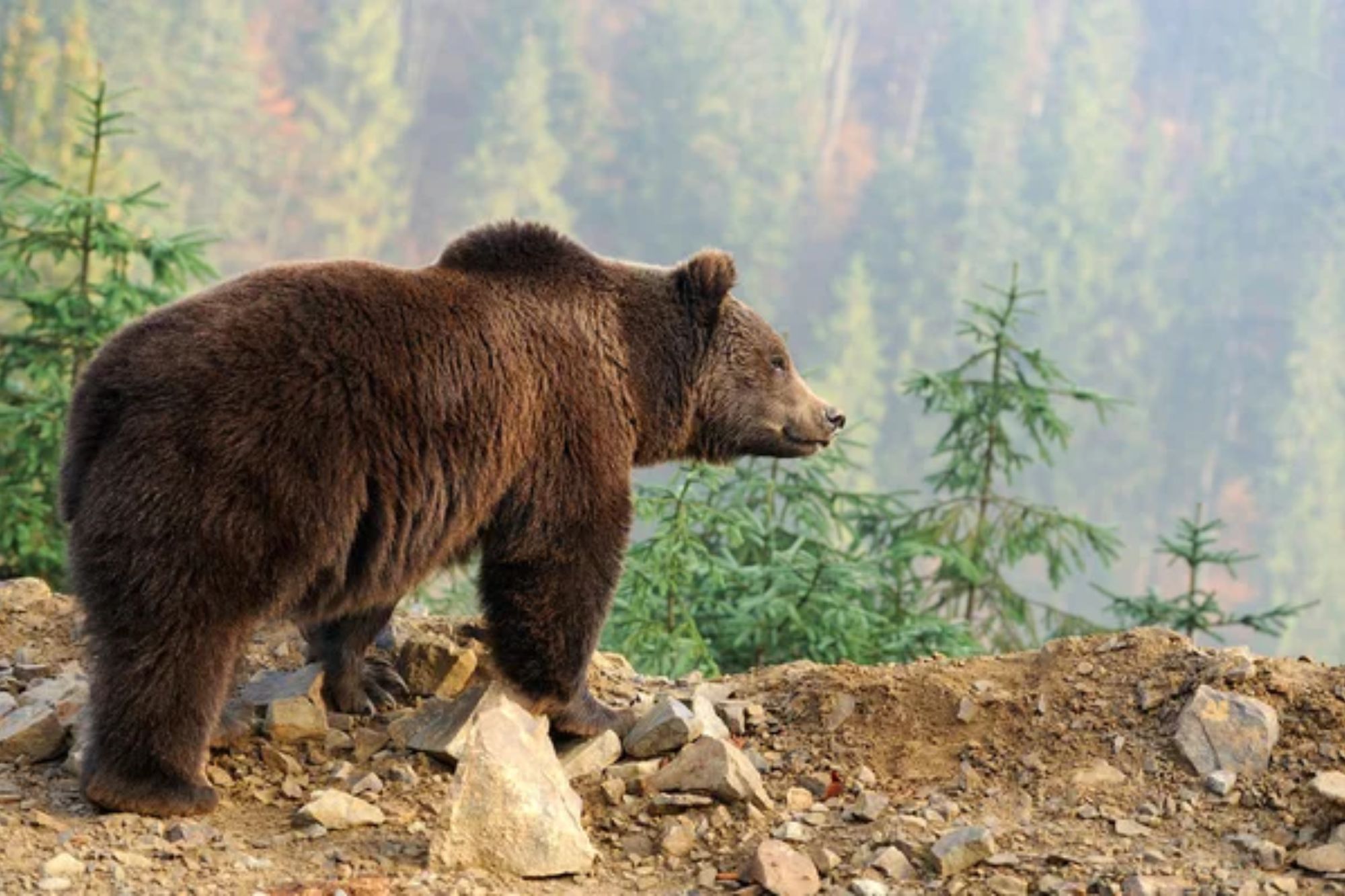
In remote areas, you might encounter wildlife that’s unfamiliar or even dangerous. Always keep a safe distance and never try to feed or approach animals.
If you’re in an area known for wildlife, consider carrying a whistle or bear spray for protection. Respect the environment and the creatures that live there.
Stay Hydrated with Electrolytes

Along with water, bring electrolyte tablets or drinks to replenish essential minerals. This is especially important if you’re exerting yourself through hiking or other physically demanding activities.
Staying hydrated with electrolytes helps your body maintain energy, prevent cramps, and keep your muscles functioning properly during long days of adventure.
Like The Modern Day Adventurer’s content? Follow us on MSN.
More from The Modern Day Adventurer

- 14 Things You Should Never Do on a Long-Haul Flight
- Avoid These 16 Areas in Mexico for Your Own Safety
- 17 Most Dangerous Destinations No Solo Traveler Should Venture To
- 17 Countries Where English Speaking Retirees Can Find Luxury Living at a Fraction of the Cost
- Think Twice About Visiting These 15 Caribbean Islands With Travel Alerts
Like The Modern Day Adventurer’s content? Follow us on MSN.


