
15 Chichen Itza Facts That Will Change How You See This Ancient Wonder
Chichen Itza, one of the New Seven Wonders of the World, has long captivated historians, archaeologists, and travelers alike. Located in Mexico’s Yucatan Peninsula, this ancient Mayan city is full of mysteries and untold stories.
While its most famous pyramid, El Castillo, draws millions of visitors each year, there’s so much more to discover beneath the surface. Here are 15 hidden facts about Chichen Itza that reveal its true significance and add depth to its grandeur.
Chichen Itza Was a Major Trade Hub
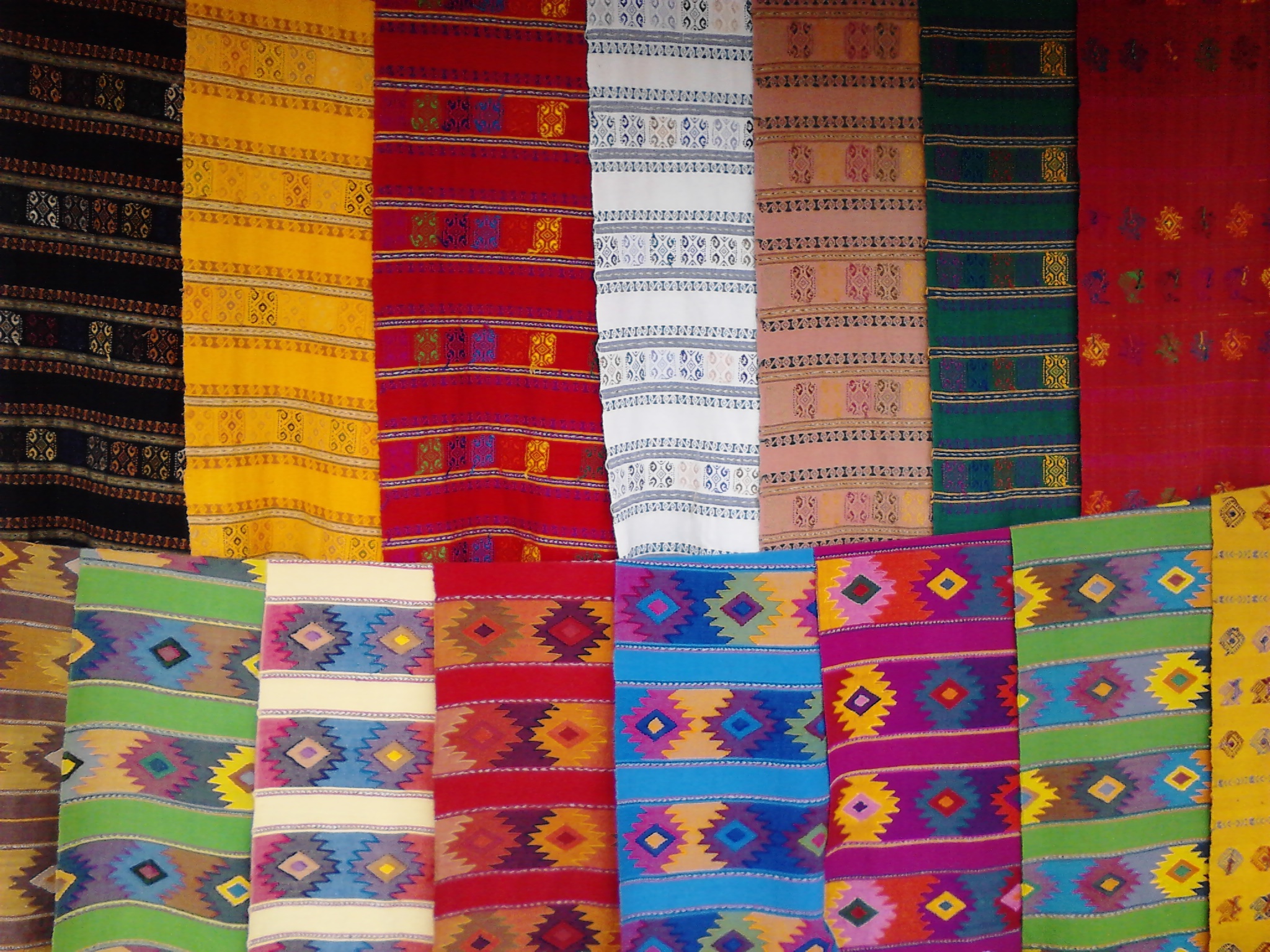
Chichen Itza was not just a ceremonial center—it was also a thriving trade city. It connected the Mayan lowlands to the coastal areas, serving as an essential hub for the exchange of goods like jade, textiles, and obsidian.
The city’s strategic location allowed it to control trade routes across Mesoamerica, making it a key player in ancient commerce.
The Pyramid of Kukulcán Was Built With Advanced Astronomy in Mind

The Pyramid of Kukulcán, also known as El Castillo, was designed with astronomical precision. During the spring and autumn equinoxes, the shadows cast by the sun create the illusion of a serpent slithering down the pyramid’s stairs.
This incredible feat of engineering reflects the Mayans’ deep understanding of the cosmos and their calendar system.
Like The Modern Day Adventurer’s content? Follow us on MSN.
The Mayans Used Sound to Communicate Through Architecture
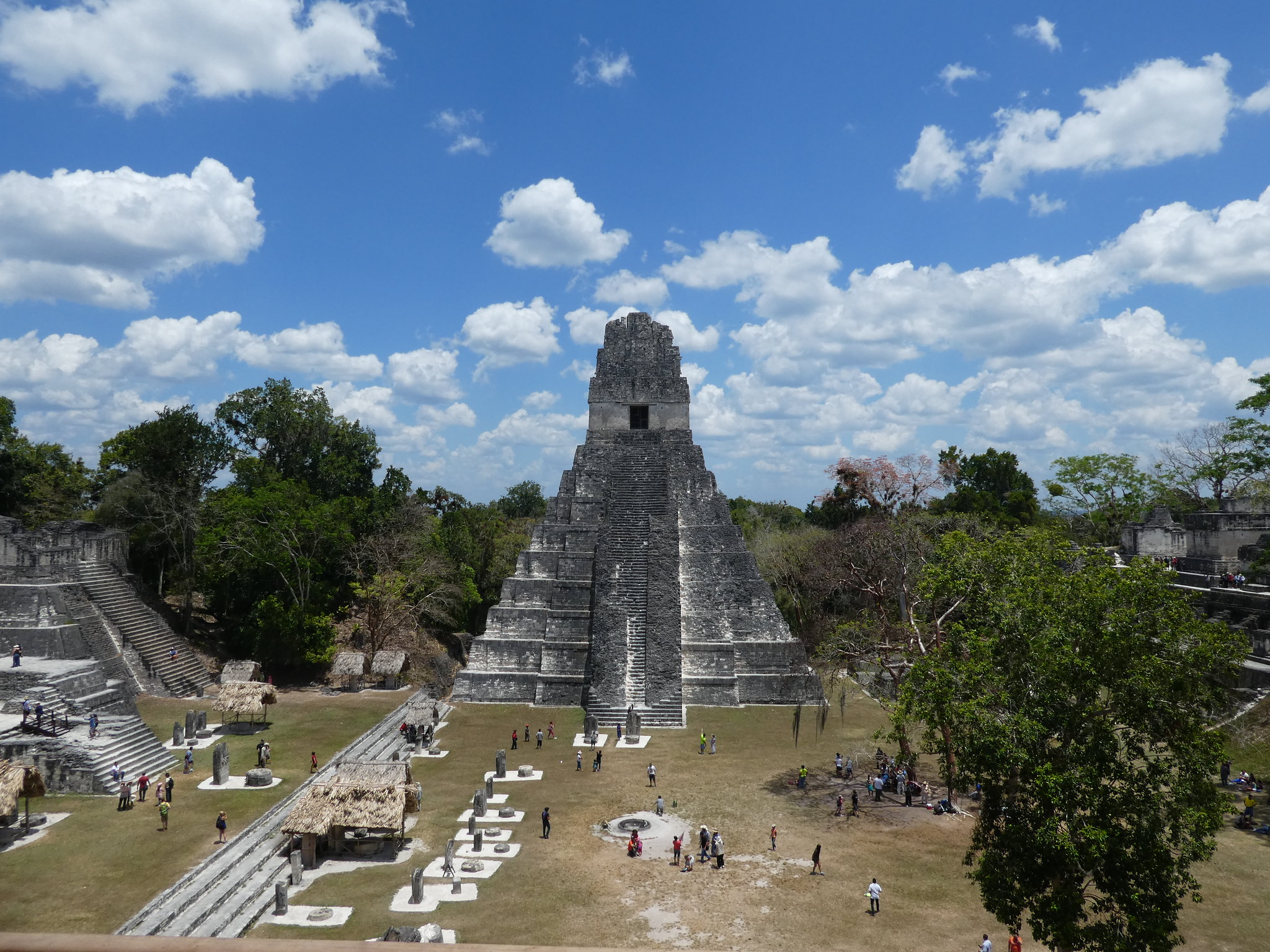
One of the fascinating aspects of Chichen Itza is the way sound plays a role in the architecture. At the Temple of the Jaguars, a clap near the steps produces an echo that mimics the call of the quetzal bird, a sacred symbol in Mayan culture.
This demonstrates the Mayans’ ability to incorporate acoustics into their buildings for both practical and ceremonial purposes.
The City Was Abandoned Before the Spanish Arrival
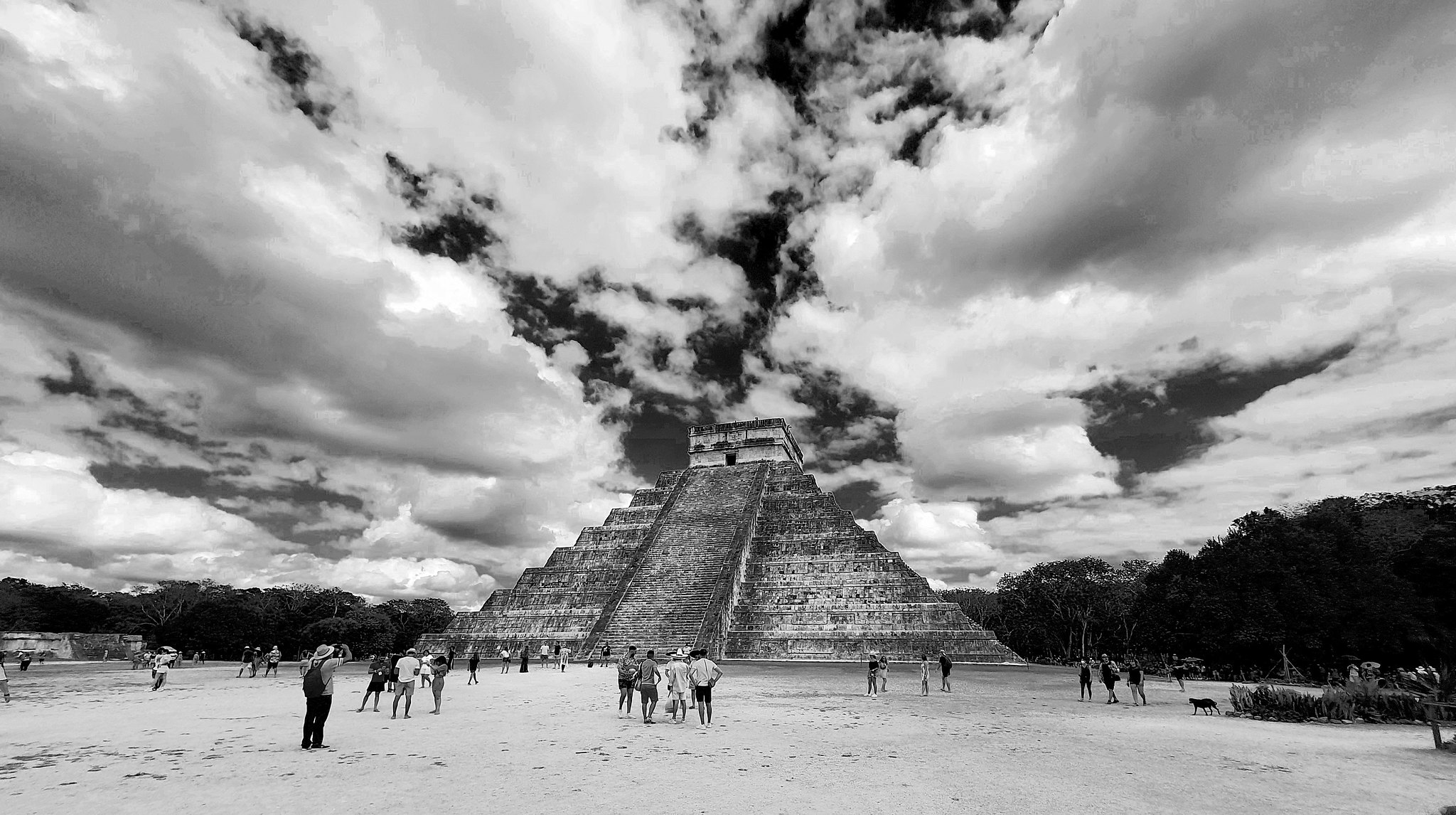
Chichen Itza reached its peak in the 10th century but was largely abandoned by the time the Spanish arrived in the 16th century. The reasons for this remain unclear, but theories suggest that a combination of warfare, environmental changes, and resource depletion may have contributed to its decline.
Despite its abandonment, the ruins remained significant in the cultural memory of the region.
The Mayan Ballgame Court Is More Than Just a Sport
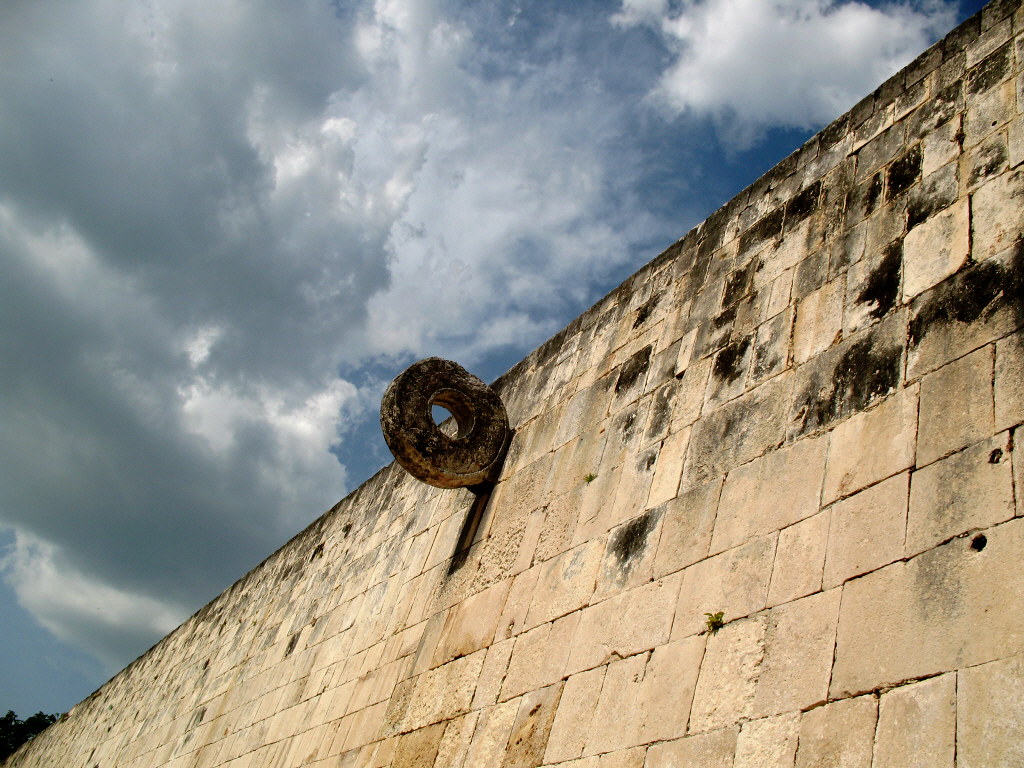
Chichen Itza features one of the largest and best-preserved ballgame courts in Mesoamerica. The game, which involved hitting a rubber ball through stone hoops, had deep ritual significance.
It was believed to represent the cosmic struggle between the forces of life and death, and sometimes the players were sacrificed to honor the gods.
Like The Modern Day Adventurer’s content? Follow us on MSN.
There’s Evidence of Human Sacrifice at Chichen Itza
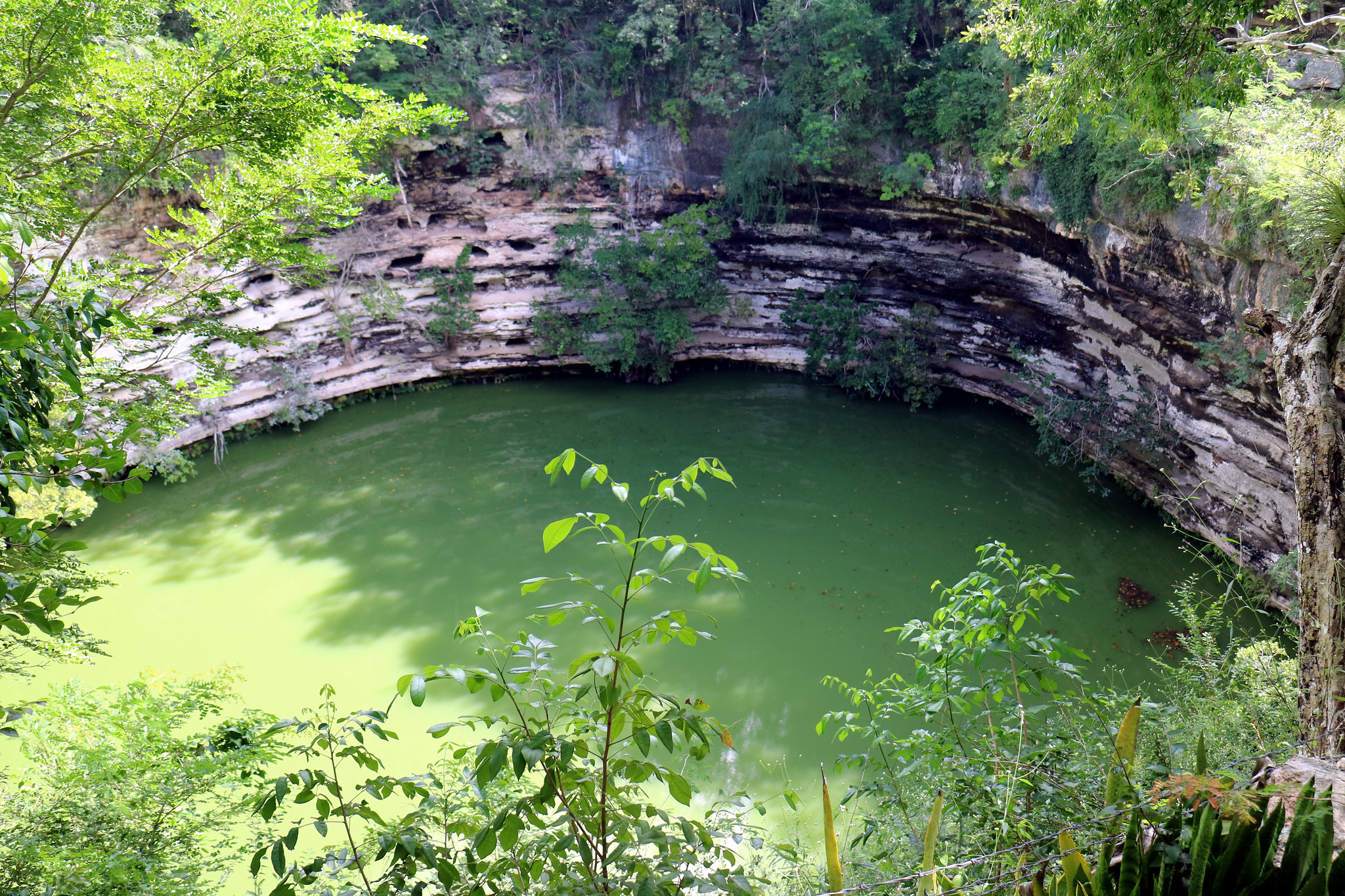
Chichen Itza was a place of both celebration and ritual sacrifice. Archaeological evidence suggests that human sacrifices were conducted in the Cenote Sagrado (Sacred Cenote), a massive sinkhole at the site.
The cenote was believed to be a gateway to the underworld, and offerings—including human lives—were made to appease the gods.
The City’s Layout Reflects the Mayan Creation Myth
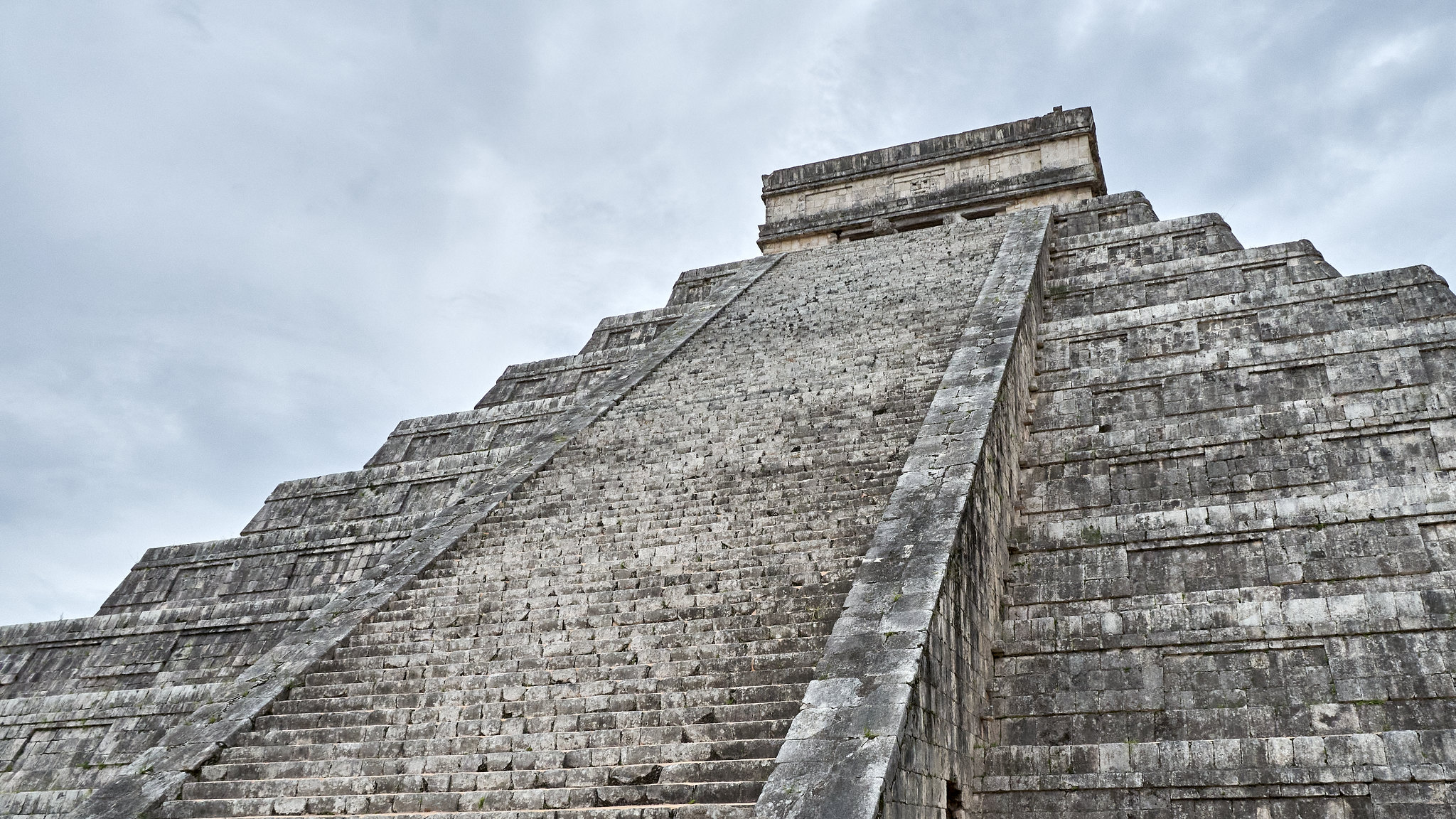
The design of Chichen Itza is deeply symbolic and reflects the Mayan creation story. The layout is thought to represent the sacred mountain where the gods emerged.
The city was structured around the concept of the universe’s four corners, with each structure aligned to key astronomical events, emphasizing the importance of cosmic harmony in Mayan life.
Chichen Itza Had Its Own Observatory
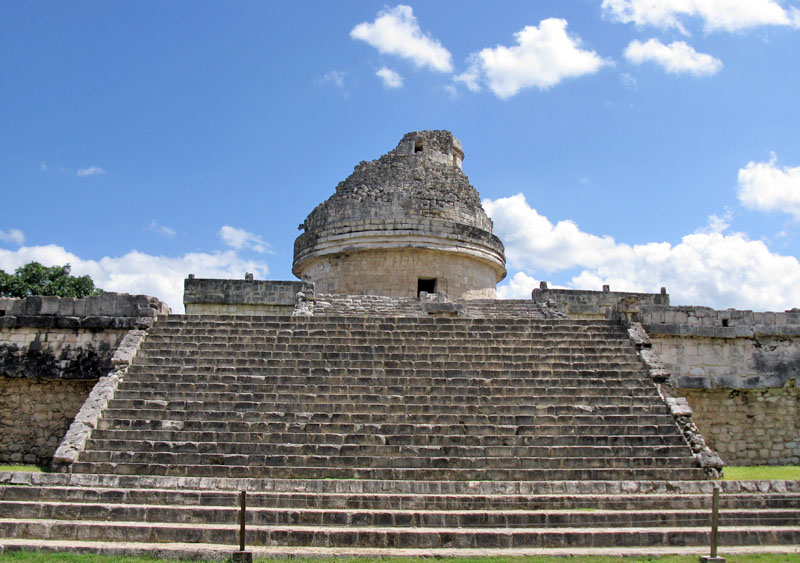
The Caracol, an ancient observatory in Chichen Itza, was used by the Mayans to track the movement of celestial bodies. The round building with a spiral staircase aligns with the paths of Venus, the moon, and other planets.
This observatory was central to the Mayan calendar and their rituals connected to astronomy.
Like The Modern Day Adventurer’s content? Follow us on MSN.
The Mayans Were Masters of Water Management
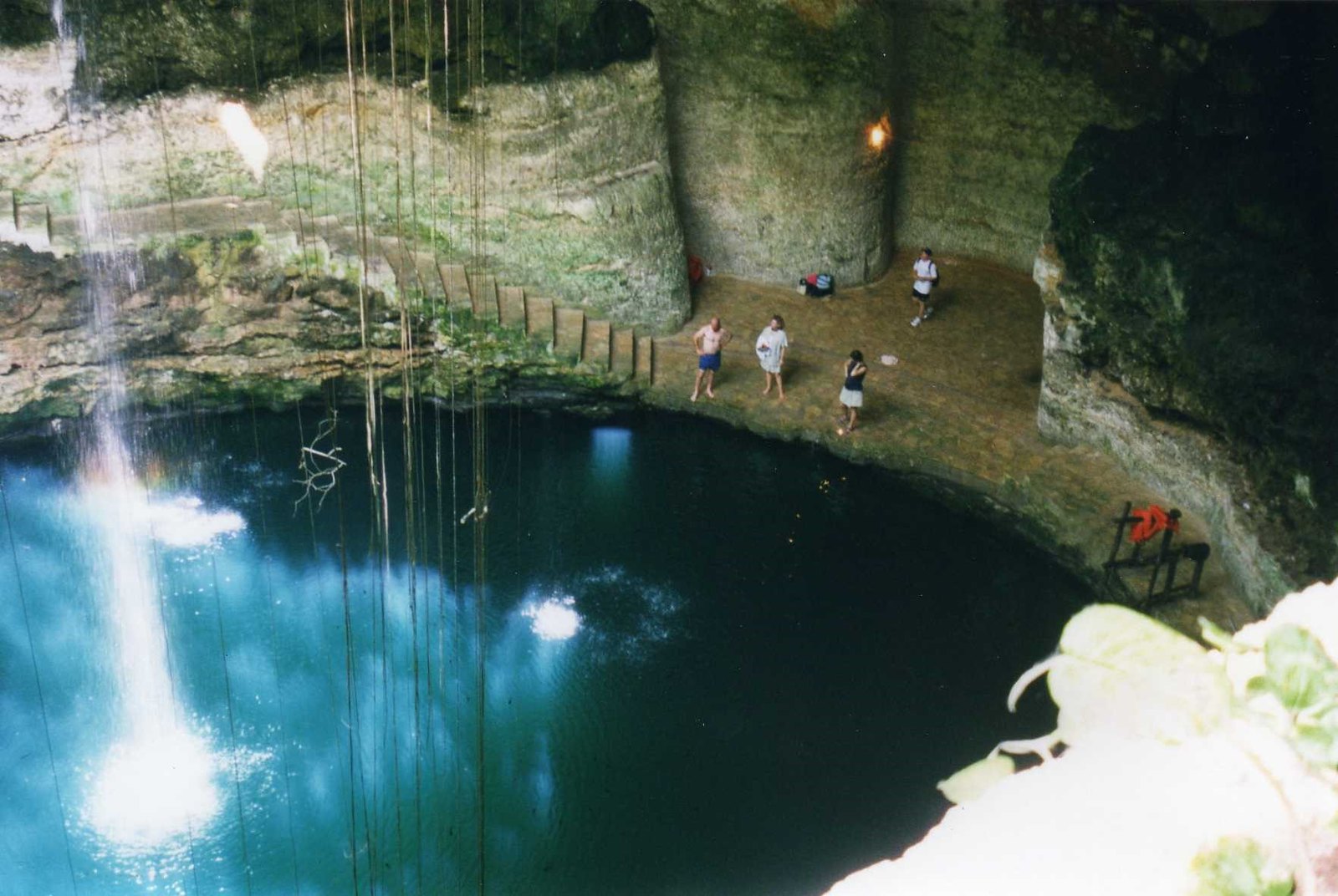
Chichen Itza’s sophisticated water management system is another testament to the ingenuity of the Mayans. The city features a series of reservoirs, wells, and canals that helped supply the population with water.
The Cenote Sagrado also played a key role in the city’s water management, offering a source of both spiritual and practical water needs.
Chichen Itza Was an Important Political Center
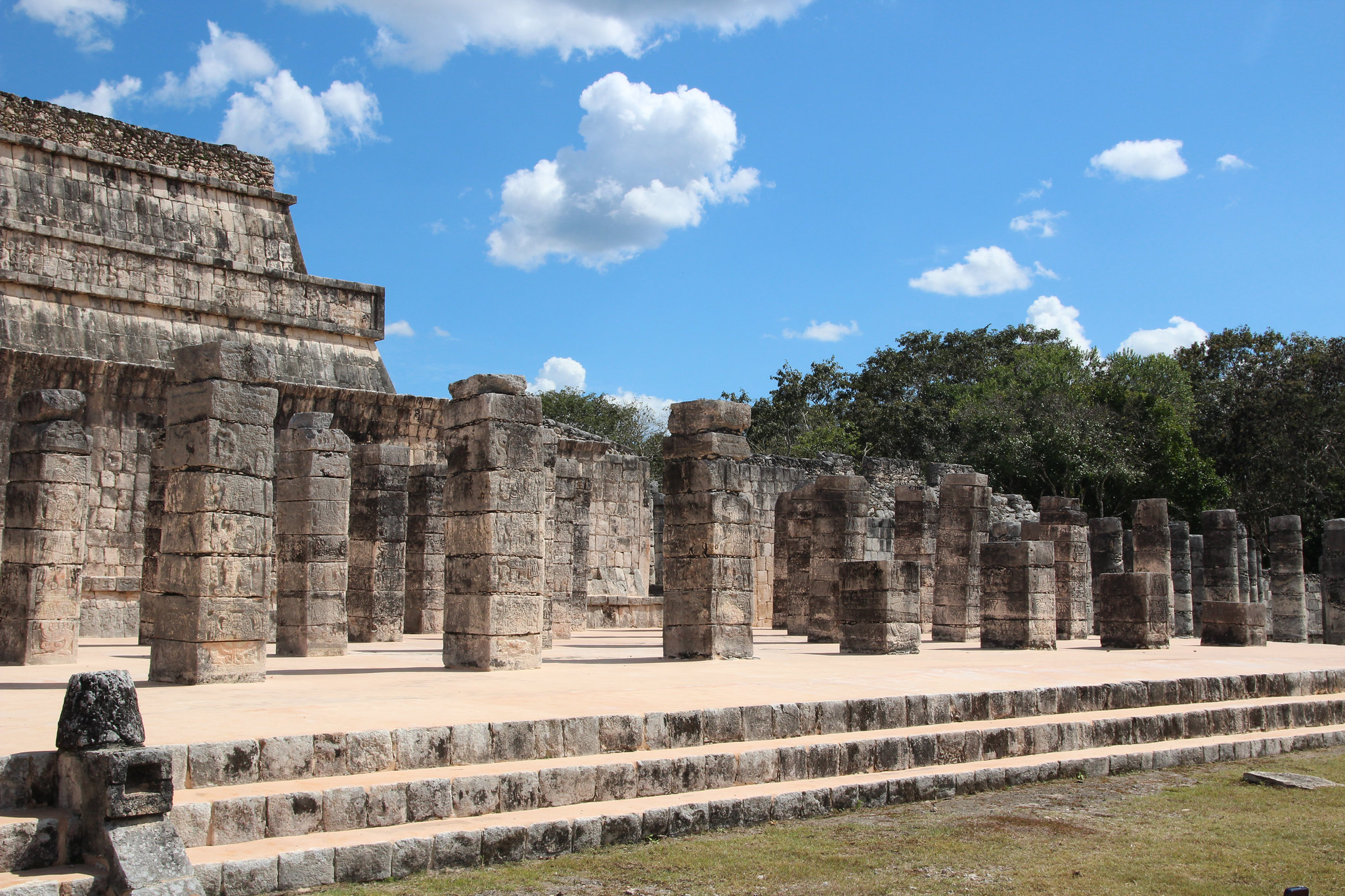
While Chichen Itza is often viewed as a religious center, it was also a political hub. The city was ruled by a powerful elite who controlled the surrounding regions.
The Mayan leaders used the city as a base to assert dominance over neighboring city-states, and its large public plazas served as spaces for political gatherings.
The Great Plaza Was Used for Ceremonies
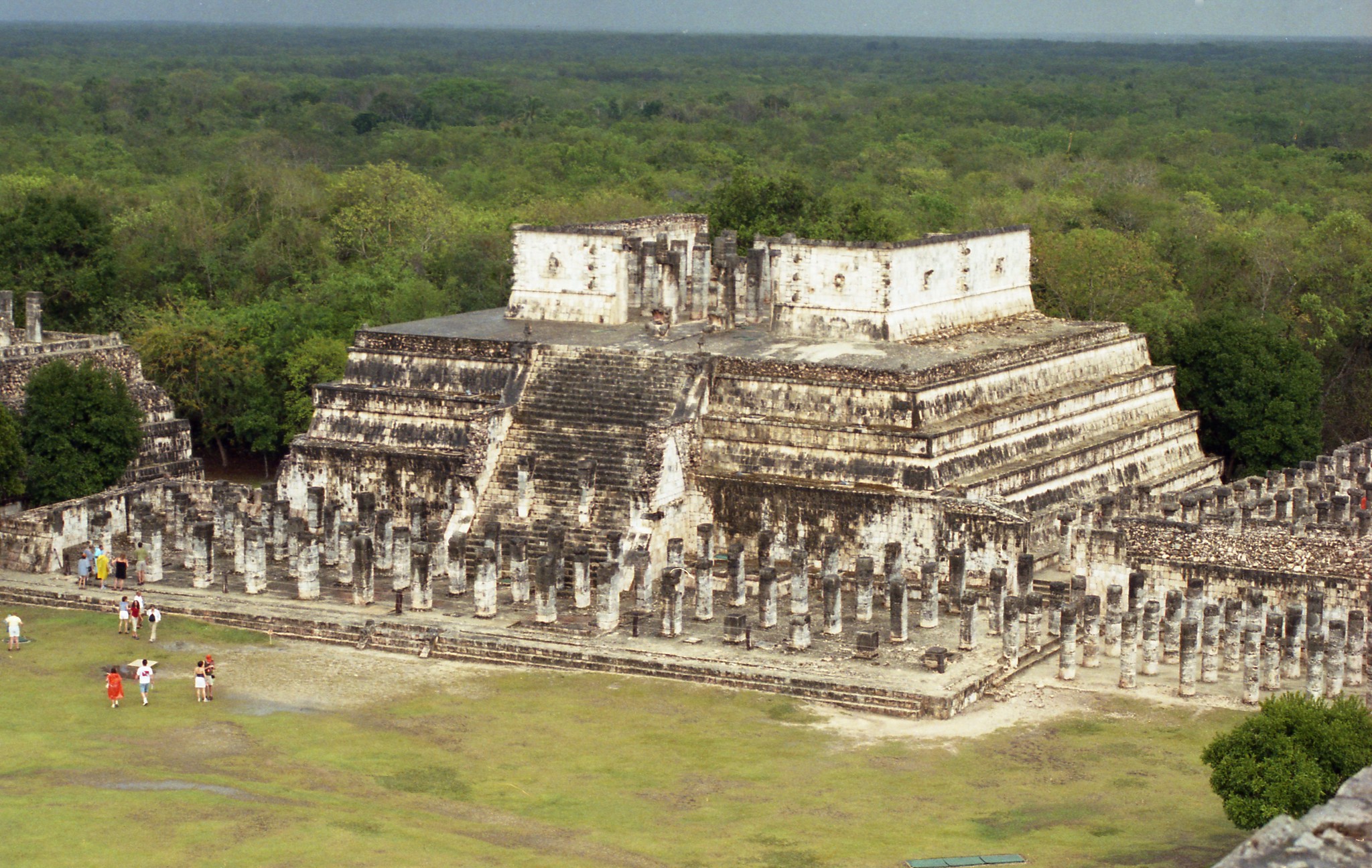
The Great Plaza at Chichen Itza was the heart of public life and was used for various ceremonies. It is surrounded by grand structures, including the Temple of the Warriors and the Ballcourt.
These spaces were likely used for religious and political gatherings, including sacrifices and celebrations for the gods.
Like The Modern Day Adventurer’s content? Follow us on MSN.
The Maya Were One of the First to Use a Zero in Mathematics
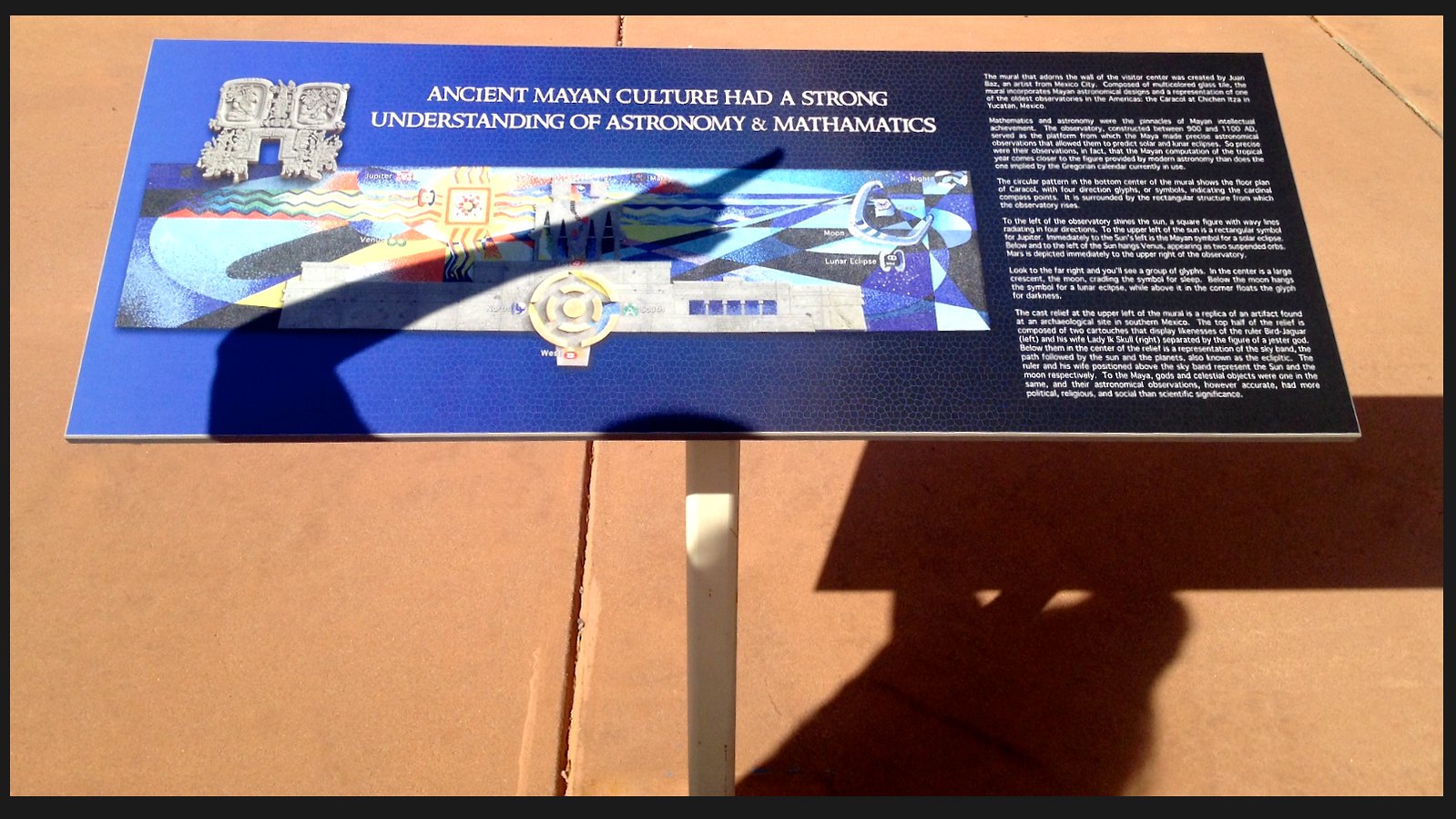
The Mayans were ahead of their time in mathematics and were among the first civilizations to use the concept of zero. This is reflected in their highly accurate calendar systems, which could predict solar and lunar events with remarkable precision.
The use of zero was vital for their ability to track time and understand the cosmos.
Chichen Itza Was a Religious Pilgrimage Site
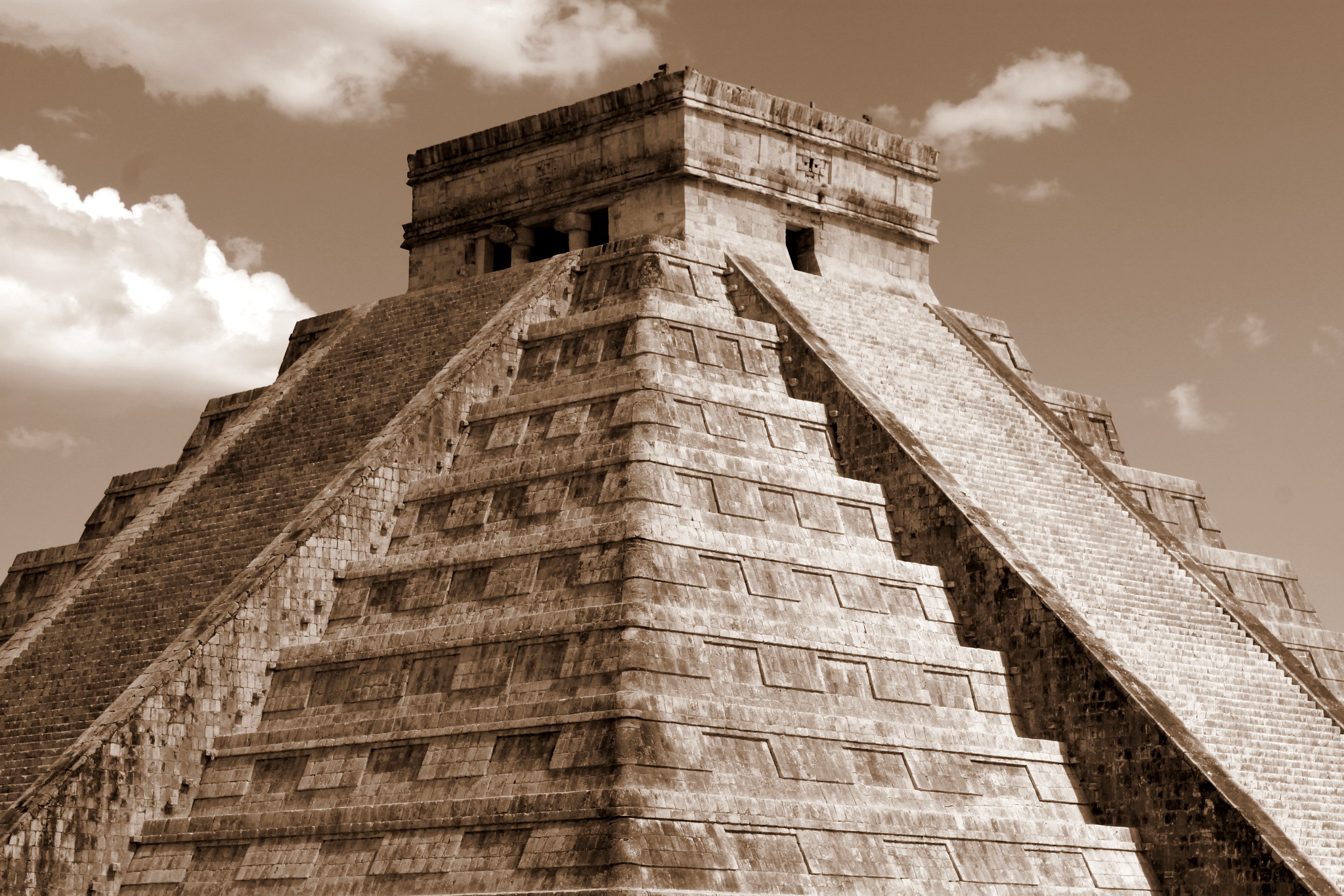
Chichen Itza was not only a center of politics and commerce but also a major pilgrimage site for the Mayans. People traveled long distances to visit the site, seeking blessings from the gods.
The sacred temples and ceremonial grounds were believed to hold divine power and were places where the faithful could connect with the spiritual world.
The Mayans Practiced Advanced Architecture and Engineering
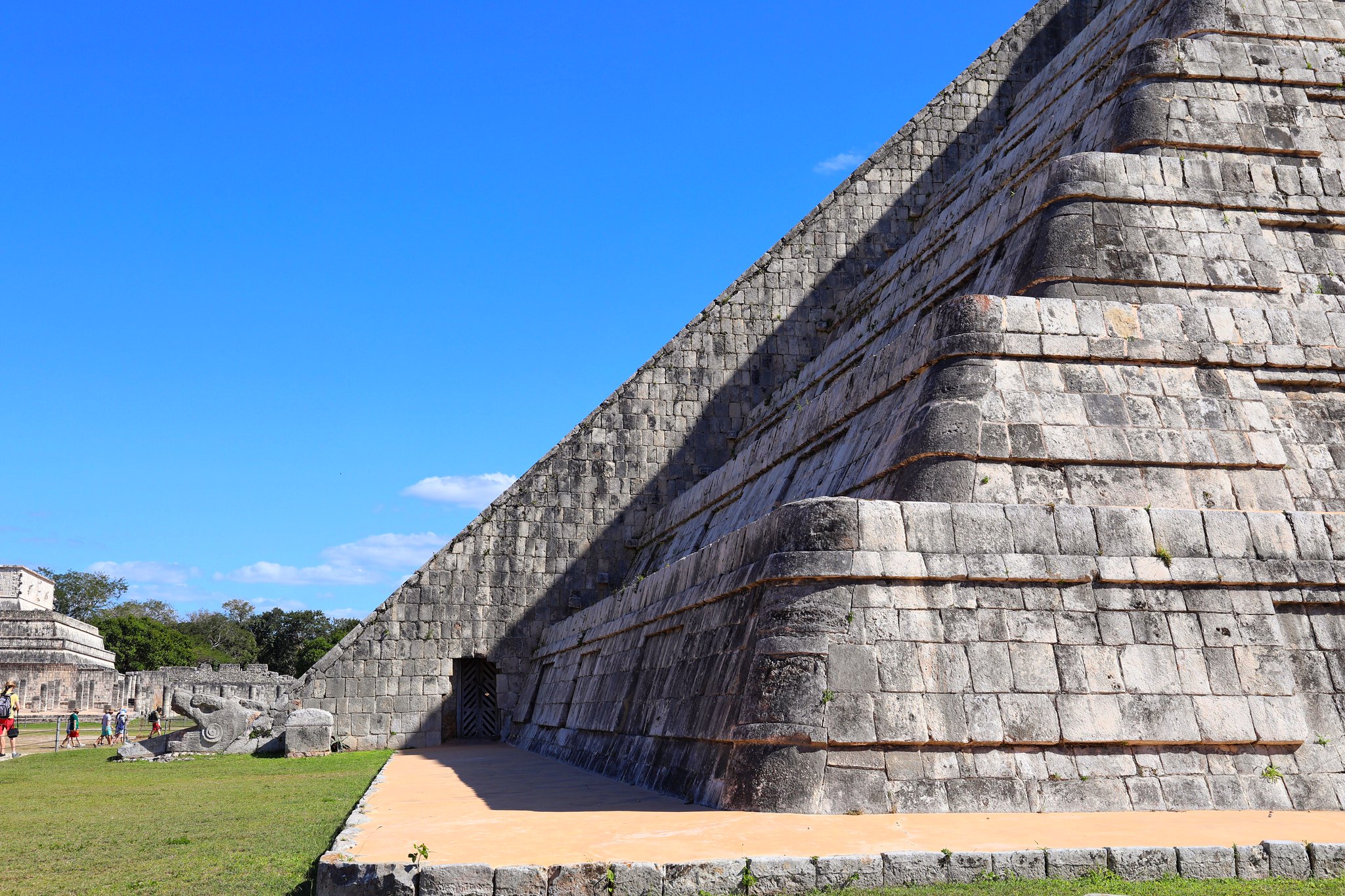
The grandeur of Chichen Itza is a reflection of the Mayans’ advanced skills in architecture and engineering. The city’s buildings were constructed with precise measurements, using advanced techniques like corbel arching and masonry.
The impressive temples, pyramids, and ball courts remain as a testament to their architectural brilliance.
Like The Modern Day Adventurer’s content? Follow us on MSN.
Chichen Itza Was Revisited by the Mayans Long After Its Decline
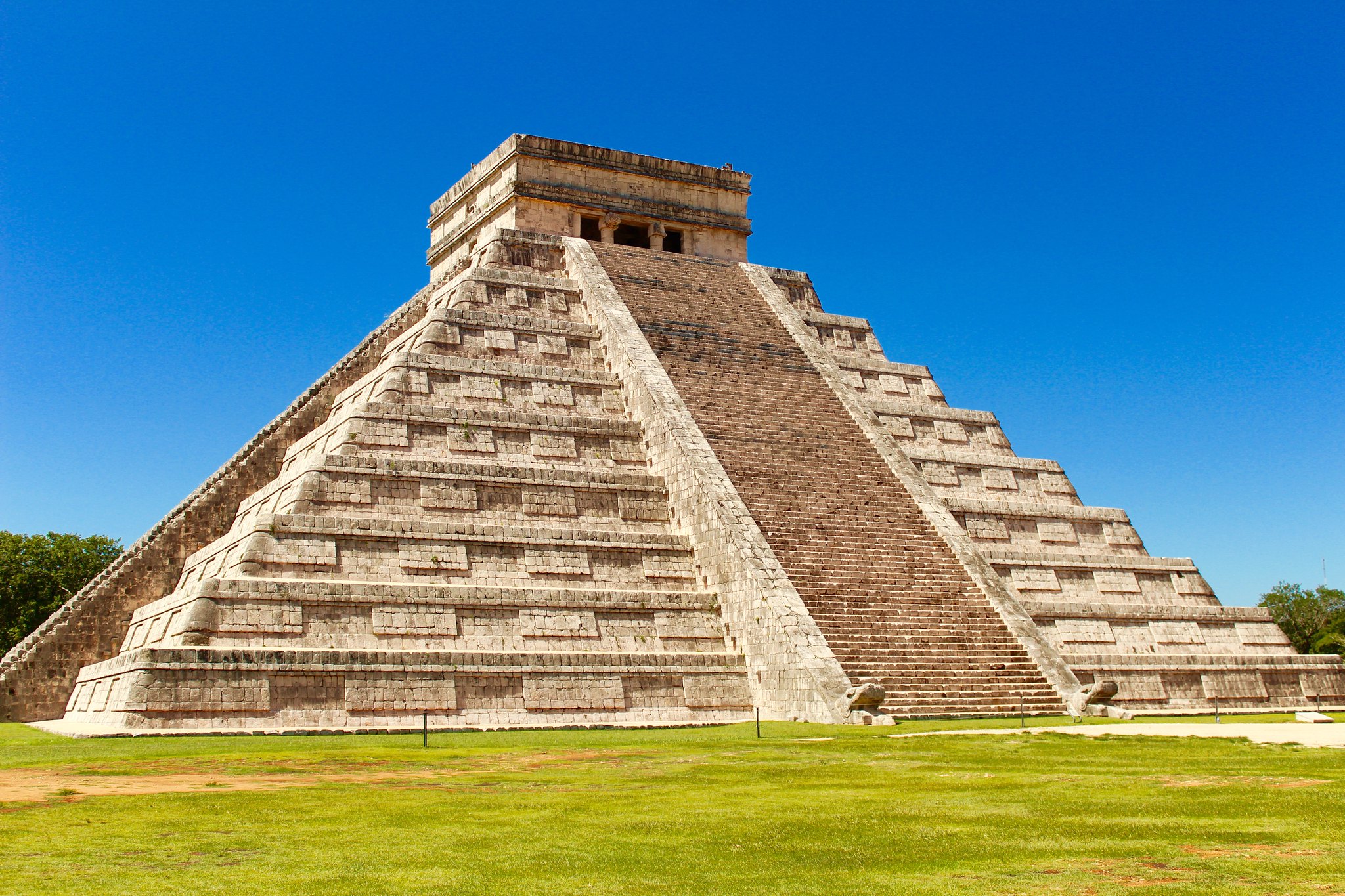
Even after Chichen Itza was abandoned, it remained important to the Mayan people. There is evidence that the city was revisited and repopulated by later generations of Mayans, who came to the site for religious and cultural reasons.
This connection to their past shows how deeply Chichen Itza was embedded in the Mayan identity, even centuries after its peak.
More from The Modern Day Adventurer

- 14 Safe Havens in the U.S. to Weather Any Crisis or Societal Collapse
- Avoid These 16 Areas in Mexico for Your Own Safety
- 20 U.S. Universities Famous for Their Legendary Party Culture
- 17 Countries Where English Speaking Retirees Can Find Luxury Living at a Fraction of the Cost
- Think Twice About Visiting These 15 Caribbean Islands With Travel Alerts
Like The Modern Day Adventurer’s content? Follow us on MSN.


